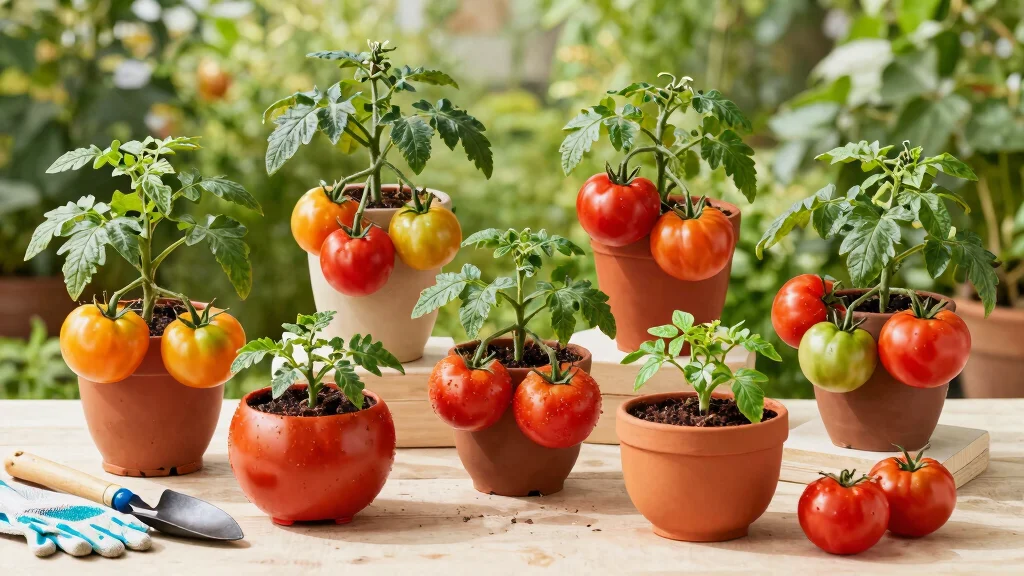
Are you craving the taste of fresh tomatoes straight from your garden but short on space? If so, you’re in the right place! This post is all about upside down tomato planters, a fun and innovative solution for anyone wanting to grow tomatoes without taking up valuable ground space. Whether you live in a small apartment or just want to maximize your garden’s potential, these ideas will inspire you to get creative and enjoy the satisfaction of homegrown produce.
If you’re someone who loves gardening but struggles with limited space, this content is tailored just for you. You will find a variety of space-saving ideas that not only look great but also keep your gardening activities fun and engaging. From classic bucket planters to stylish wall-mounted options, these nine genius ideas will encourage you to ditch the traditional garden setup and try something new.
Get ready to discover how to transform your gardening space into a vertical paradise! You’ll gain valuable tips on constructing and maintaining your upside down tomato planters, ensuring a bountiful harvest this season. Let’s dive into these creative solutions that promise to make your gardening experience enjoyable and fruitful!
Key Takeaways
– Space-saving design: Upside down tomato planters are ideal for small areas, allowing you to grow tomatoes without occupying precious ground space.
– Easy DIY options: Many of the planter ideas are simple to make using common materials, making them accessible even for novice gardeners.
– Improved air circulation: Growing tomatoes upside down can enhance airflow around the plants, reducing the risk of diseases and pests.
– Creative aesthetics: These planters add a unique visual element to your home or garden, making your gardening setup more vibrant and interesting.
– Maximized sunlight exposure: Hanging planters ensure that your tomatoes get adequate sunlight from multiple angles, leading to better growth and yield.
1. The Classic Bucket Planter

Are you ready to grow delicious tomatoes but lack garden space? The classic bucket planter is your perfect solution! This simple setup involves a sturdy bucket that drains well and retains warmth, creating an ideal environment for your tomatoes to thrive.
Choose a compact variety like ‘Tiny Tim’ for great results. Fill your bucket with quality potting soil, and be diligent about watering, especially during hot days. Not only does this method save space, but it’s also easily movable, allowing you to reposition it to soak up the sun or shield it from harsh weather.
Pro Tip: Enhance your bucket by planting herbs on top to maximize your growing potential! Imagine vibrant red tomatoes dangling from a classic bucket adorned with colorful flowers, creating a stunning garden display.
How To Choose the Right Upside Down Tomato Planter
Choosing the right upside down tomato planter can dramatically influence your gardening success. With the variety of options available, it’s essential to consider several factors. Here are some key points to help you select the ideal planter for your needs:
1. Size
The size of your planter matters a lot. Typically, you want a planter that can accommodate the root system of a tomato plant. A good rule of thumb is to choose a planter that is at least 5 gallons in capacity. This allows enough space for the roots to spread and grow, ensuring healthy plants.
2. Material
Planters come in various materials, including plastic, metal, and fabric. Plastic planters are lightweight and usually more affordable, while metal can be more durable and stylish. Fabric planters promote aeration and drainage, which is great for tomatoes. When choosing, think about your climate conditions, as some materials may retain heat or moisture more than others.
3. Drainage Features
Good drainage is critical when it comes to growing tomatoes. Ensure your planter has adequate drainage holes to prevent waterlogging. Some planters come with built-in drainage systems, which can be a plus. If your planter lacks this feature, you might need to drill holes yourself.
4. Ease of Installation
Consider how easy it is to set up the planter. Some upside down tomato planters involve simple assembly, while others may require more tools and effort. If you prefer convenience, look for planters that come pre-assembled or have straightforward instructions.
5. Budget
Planters come at various price points, so it’s wise to set a budget beforehand. You can find affordable options that work just as well as high-end ones. Compare features to ensure you’re getting good value for your money. Remember that investing a bit more in quality can lead to better performance and longevity.
6. Aesthetics
Finally, think about how the planter will look in your space. Whether you want a classic look or something more modern, there are plenty of styles to choose from. A visually appealing planter can enhance your garden’s beauty while serving a practical purpose.
Pro Tip: When selecting your upside down tomato planter, consider how it will fit into your overall gardening plan. Think about sunlight exposure, accessibility for watering, and how it complements your outdoor decor. A little planning can make your gardening experience even more enjoyable!
The Classic Bucket Planter
Editor’s Choice

Back to The Roots Organic Coir, 51 Quart Expanding Soil, Great for Seeds…


Tiny Tim Tomato Seeds – Dwarf Cherry Tomatoes for Planting Indoors or Pa…

Red Gorilla Small Flexible Plastic Tub, Toy Storage, Laundry, Gardening …
2. DIY Hanging Planter

Feeling crafty and want to add a unique twist to your gardening? A DIY hanging upside down tomato planter can be a fun project! With some durable containers and twine or chains, you can create a whimsical display that will have your tomatoes dangling elegantly as they grow.
This vertical approach not only saves space but also adds visual interest to your garden or balcony. Plus, it helps keep pests at bay, as they can’t crawl up from the ground to reach your plants.
Gardening Hacks: Plant marigolds alongside your tomatoes to naturally deter bugs. Opt for colorful pots to brighten your space and enjoy the cheerful look of your hanging garden!
DIY Hanging Planter
Editor’s Choice

Miracle-Gro Organic Outdoor Potting Mix – Plant Soil for Outdoor Contain…

Set of 2-10 Inch Hanging Planters for Indoor Plants with Self-Watering I…

ZeeDix 4 Pack, 24 Inch Hanging Basket Chain with Hooks, Black Metal Plan…
3. Upside Down Watering Bottle Planter
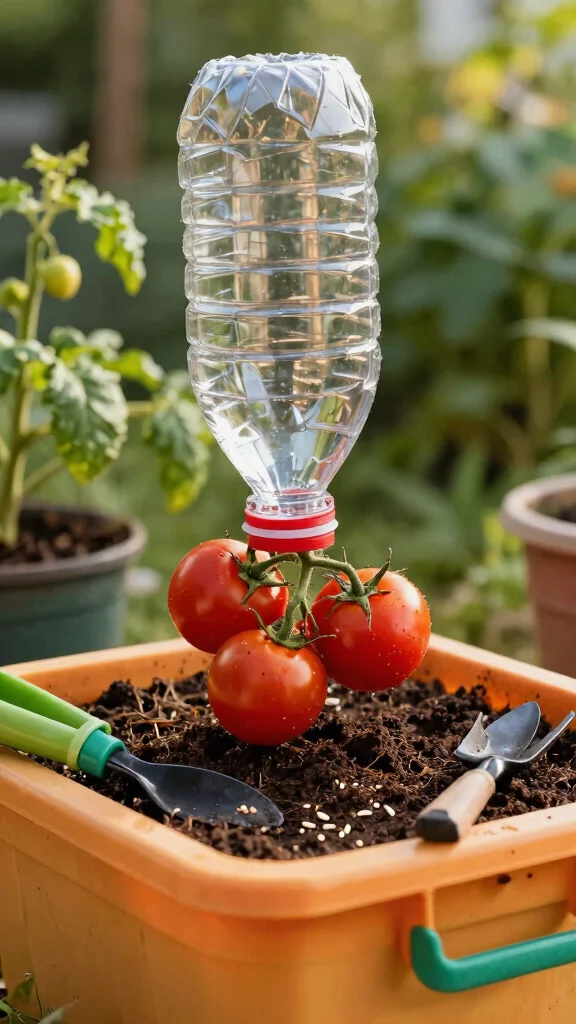
Looking for a clever way to combine sustainability with gardening? The upside down watering bottle planter uses recycled materials to create a unique watering system for your tomatoes. Just grab a large plastic water bottle and a sturdy planter, cut the bottom off the bottle, and insert it into the soil.
This innovative setup allows for slow, consistent watering right to the roots, which is vital for healthy growth. It’s eco-friendly and smart, making use of materials you already have at home.
Tips for Success: Poke small holes in the bottle cap to improve air circulation and water flow. This quirky design not only nurtures your tomatoes but also serves as an interesting conversation starter in your garden!
Gardening on a budget? An upside down tomato planter proves you can grow more with less. Recycle a bottle, plant, and watch steady roots drink from a slow, built-in drip—no constant watering chores, just thriving vines.
Upside Down Watering Bottle Planter
Editor’s Choice

ZULU Goals 64oz Half Gallon Plastic Water Bottle with Straw and Time Mar…

Giraffe Creation 10-Inch Round Cylinder Plant Pot, Modern Indoor/Outdoor…
4. Vertical PVC Pipe Planter
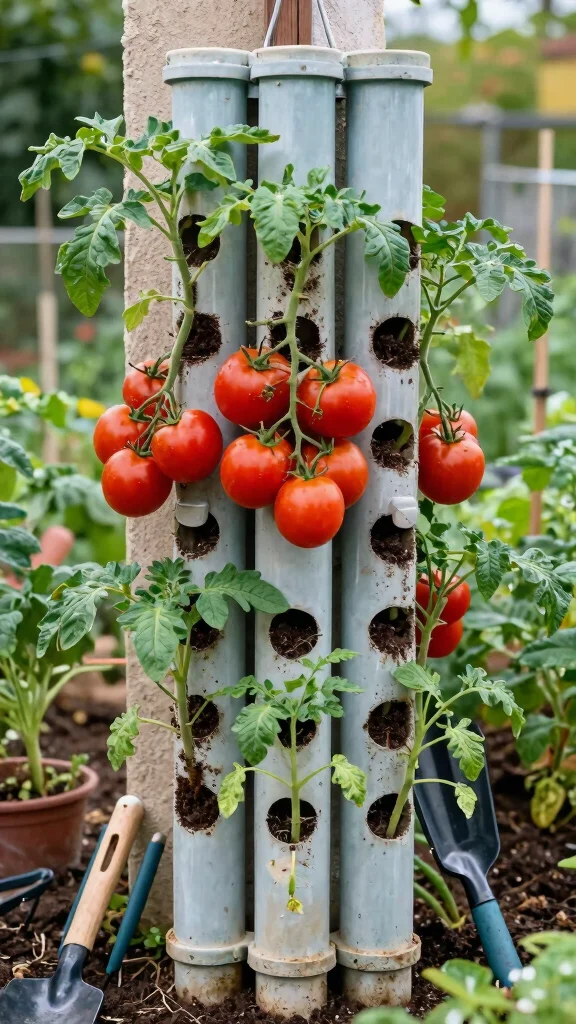
Are you ready to elevate your gardening game? A vertical PVC pipe planter is a fantastic way to grow tomatoes upside down while maximizing your space. You’ll need a vertical PVC pipe, an end cap, and some potting soil. Just drill holes in the pipe for your plants to grow through.
This method promotes efficient drainage and airflow, reducing the risk of disease. Plus, it’s a fun DIY project that can transform your outdoor space into a garden masterpiece.
Gardening Tips: Consider adding a drip irrigation system for hassle-free watering and mix tall and bush varieties for a stunning visual display. Stacking these pipes creates a multi-tiered garden that’s both practical and eye-catching!
Fun fact: a vertical PVC pipe planter can fit the upside down tomato planter concept in just a small space, delivering up to 80% more space efficiency. With proper drainage and spaced holes, you’ll grow tomatoes upside down while keeping airflow strong and disease risk low.
Vertical PVC Pipe Planter
Editor’s Choice
Miracle-Gro Organic Outdoor Potting Mix – Plant Soil for Outdoor Contain…
6Pcs 1/2 Inch PVC Pipe 17″ Long Sch40 Industrial Pipes for Home DIY, Gre…
1/2 Inch Drip Irrigation Fittings End Caps, 10 Pack End Plugs for (1/2″ …
5. Recycled Tire Planter

Want to add a rustic and eco-friendly touch to your garden? Recycled tires can make fantastic upside down tomato planters. Simply cut a tire in half, turn it upside down, and fill it with nutrient-rich soil. This unique approach not only utilizes recycled materials but adds character to your outdoor space.
Tires naturally retain heat, making them perfect for tomato plants during cooler nights while ensuring excellent drainage to prevent waterlogging.
Gardening Hacks: Paint your tires in vibrant colors for a fun look and plant flowers or herbs around them for a lively atmosphere. These quirky planters are sure to catch the eye and spark interest among your guests!
Recycled Tire Planter
Editor’s Choice

Fiskars Trowel, Heavy Duty Gardening Hand Tool with Hang Hole, For Diggi…
Miracle-Gro Organic Outdoor Potting Mix – Plant Soil for Outdoor Contain…
6. Stylish Wall-Mounted Planter

If modern aesthetics speak to you, a wall-mounted upside down tomato planter is a stylish option. You’ll need a sturdy wall rack, either wooden or metal, and several planters that can be hung upside down. This design not only saves space but also transforms your wall into an eye-catching display of greenery.
Creating a vertical garden showcases your tomatoes beautifully while allowing for other plants to join the mix for added diversity. This setup enhances your outdoor decor, making it a focal point of admiration.
Gardening Tips: Choose lightweight planters for easy installation, and consider the height for convenience. Mixing in trailing plants can create a lush look that drapes elegantly over the sides.
📹 Related Video: Amazing tomato growing ideas – Hanging upside down tomatoes – Hanging tomato garden
Stylish Wall-Mounted Planter
Editor’s Choice

2-Pack Aesthetic Wall Plant Hanger Indoor and Outdoor – 10 Inch Metal …

Galood Plant Hanger Indoor with 6 Hanging Chains Hanging Planters for In…

Pri Gardens Upside Down Tomato Planter, 2- Pack(Requires Plants,Soil and…
7. Stackable Planter Set

For those looking to maximize their garden space, stackable planter sets offer a brilliant solution for growing upside down tomatoes. You can either purchase or create your own stackable planters, ensuring each layer has proper drainage for healthy plants.
This method allows you to utilize vertical space efficiently, accommodating various plant heights and types, which adds diversity to your garden. It’s an innovative way to keep your garden organized while being visually appealing.
Gardening Hacks: Plant companion crops like basil alongside your tomatoes to enhance their flavor and optimize your growing area. This multi-layered approach not only saves space but creates a vibrant display for everyone to enjoy!
Stackable Planter Set
Editor’s Choice

GameXcel Vertical Planter Tower – 5 Tier Stackable Garden Planters with …
8. Upside Down Hanging Fleece Planter
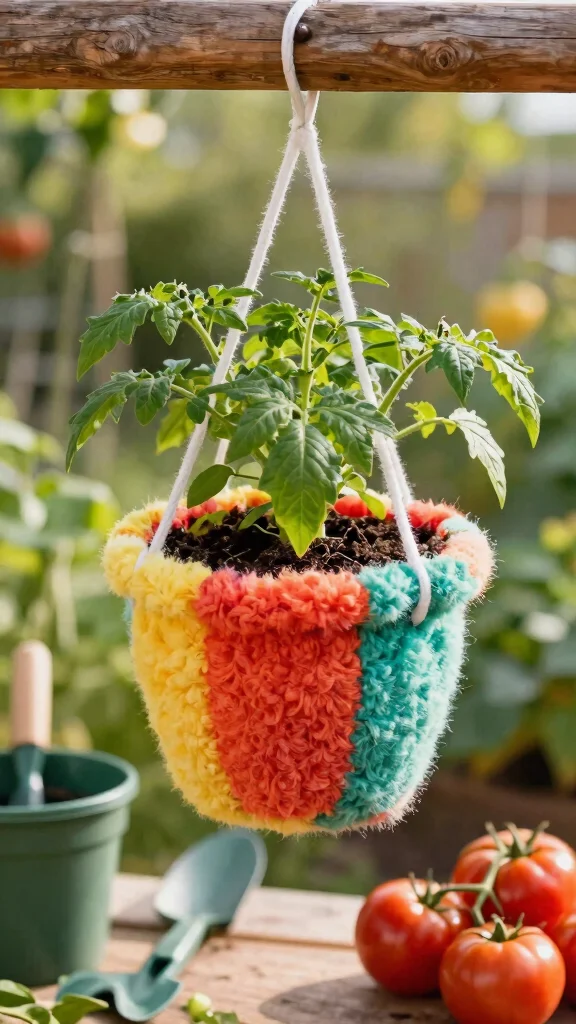
For a soft and innovative approach, consider making a hanging fleece planter for your upside down tomatoes. All you need is a piece of durable fleece, scissors, and a hanging hook. Cut the fleece into shapes that can cradle the soil and plants, allowing them to hang upside down.
This lightweight method saves space and offers flexibility in placement around your garden or balcony. It can also be a fun DIY project for kids, encouraging them to get involved in gardening.
Gardening Tips: Ensure the fleece has proper drainage to prevent water pooling, and consider adding layers for a cascading effect that looks fantastic. This unique planter invites creativity into your outdoor space while providing ample growing opportunities!
Upside Down Hanging Fleece Planter
Editor’s Choice

Command 15 Lb XL Heavyweight Wall Hook, Damage Free Hanging Wall Hook wi…
Miracle-Gro Organic Outdoor Potting Mix – Plant Soil for Outdoor Contain…

AlpineReach Plant Covers Frost & Sun Protection 10 x 30 ft – Thick 1.2 o…
9. Hanging Gutter Planter

Last but not least, a hanging gutter planter presents a trendy way to grow tomatoes upside down. Start by cutting a section of rain gutter, drilling holes for drainage, and mounting it on a wall or fence. Plant your tomato seedlings in the gutter, allowing them to grow downwards.
This clever use of materials saves space while adding a visually appealing element to your garden. The sleek design fits perfectly into modern gardening aesthetics, and it’s an innovative way to showcase your plants.
Gardening Hacks: Feel free to plant different varieties along the gutter for a mixed harvest, just ensure all plants receive adequate sunlight. The hanging gutter planter can be a unique focal point that catches the eye and sparks curiosity!
Turn small spaces into harvests with a hanging gutter planter. The upside down tomato planter saves real estate, keeps seedlings accessible for easy pruning, and makes fresh tomatoes a daily mood booster.
Hanging Gutter Planter
Editor’s Choice

Dahey 3 Pcs Metal Hanging Flower Pots for Railing Fence Outdoor Planter …
Jiffy 50mm Seed Starting Tomato & Vegetable Greenhouse Kit with 16 Plant…
Conclusion
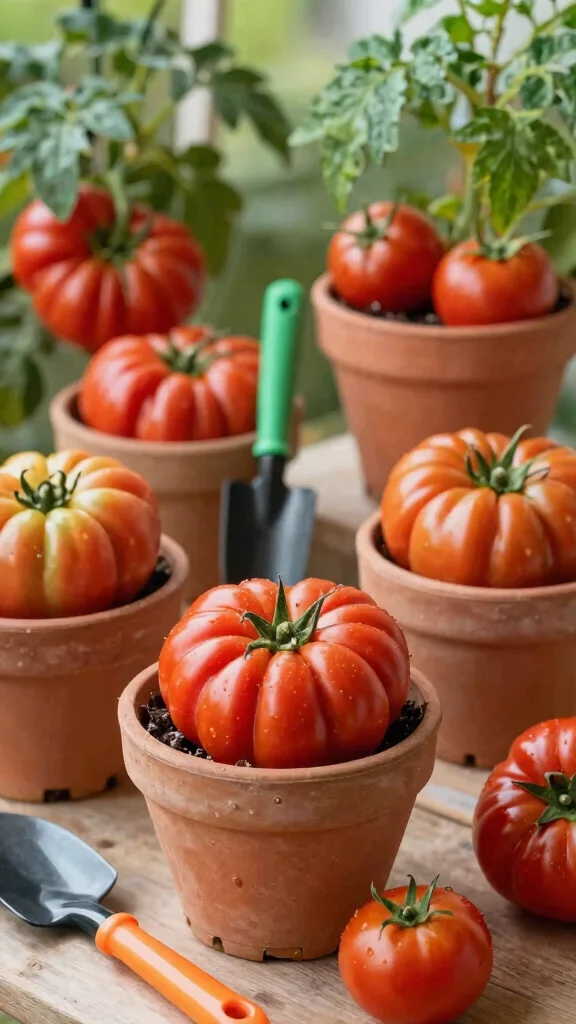
From buckets to innovative vertical solutions, upside down tomato planters are a fantastic way to enjoy gardening in small spaces. These creative designs not only enhance your gardening experience but also add a unique flair to your outdoor spaces.
Whether you’re seeking a fun DIY project or a stylish addition to your garden, try incorporating some of these ideas into your gardening routine. Happy gardening and may your tomato harvest be bountiful!
Note: We aim to provide accurate product links, but some may occasionally expire or become unavailable. If this happens, please search directly on Amazon for the product or a suitable alternative.
This post contains Amazon affiliate links, meaning we may earn a small commission if you purchase through our links, at no extra cost to you.
Frequently Asked Questions
What exactly is an upside down tomato planter and why is it a genius space-saving solution for vertical gardening?
An upside down tomato planter is a tomato plant grown downward from a hanging container rather than from soil on the ground. This space-saving approach shines in vertical gardening because it frees up floor space and lets you tuck plants onto balconies, patios, or small gardens.
To get started, choose a sturdy container (like a large plastic bottle, fabric bag, or bucket), drill or punch a few drainage holes, and fill with light, airy potting mix. Remove the lower leaves from a healthy seedling and thread the stem through the top so the root ball sits inside. Secure the container and hang it in full sun. Water regularly, using a gentle sprinkle to keep the soil evenly moist without pooling.
Pro tip: line the inner surface with a lightweight liner to catch drips, prune lower leaves as the plant grows, and rotate the planter occasionally to keep growth even.
Which tomato varieties work best in upside down planters and how can you pair them with other plants for space-saving gardening?
Choose compact, determinate or dwarf tomatoes like cherry or grape types for easy support and good yields in upside down planters.
Tomatoes don’t need to be huge; something like a patio or baby tomato variety tends to perform well. For container gardening and vertical gardening success, avoid large beefsteak types in small planters. Pair your planter with small herbs such as basil or oregano in nearby containers to create a practical gardening hacks duo.
Tomato growing tips: prune lower leaves to improve air circulation, feed every couple of weeks with a balanced liquid fertilizer, and ensure the planter gets 6-8 hours of sun daily.
How do I install and maintain an upside down tomato planter to prevent rot and ensure good drainage?
First, choose a container with a wide mouth and a sturdy hanging point. Create several drainage holes and fill with a light potting mix enriched with perlite or coconut coir to improve drainage. Avoid soggy soil, which can lead to rot around the stem. Place the planter where it will get plenty of sun, then transplant a healthy seedling so the root ball sits securely inside the opening.
Maintenance is simple: water evenly, check for mold or foul smells, prune any leaves touching the soil surface, and protect the stem from pests. If you notice slower growth, flush the mix with a gentle rinse and re-fertilize with a balanced liquid fertilizer following tomato growing tips guidelines.
What are practical tips for watering, feeding, and sunlight when growing tomatoes in upside down planters?
Watering: in warm weather, check the soil daily and water until you see a light drainage; aim for consistent moisture, not soggy soil. Feed every 2 weeks with a balanced liquid fertilizer following tomato growing tips guidelines. Sunlight: aim for 6-8 hours of direct sun; rotate the planter a bit each week to balance sun exposure and prevent sunburn on one side. For space-saving gardening efficiency, space planters so they get airflow and avoid overcrowding around the hanger.
What common mistakes should I avoid with upside down tomato planters and how can I troubleshoot issues?
Avoid using heavy tomato varieties that strain the planter; pick compact types. Don’t ignore drainage — clogged holes or soggy soil leads to root rot. Overwatering or under-watering are common mistakes; check moisture level and adjust. Ensure secure mounting; a loose planter can topple in wind. If you see yellowing leaves or stunted growth, inspect for pests, nutrient deficiencies, and sun exposure; adjust watering, feeding, and sun angle as needed. Use gardening hacks like placing a tray to catch drips and rotating weekly to keep growth even.
Related Topics
upside down tomato planter
vertical gardening
space-saving gardening
container gardening
tomato growing tips
gardening hacks
small space solutions
easy gardening
urban gardening
beginner friendly
DIY gardening
creative planters