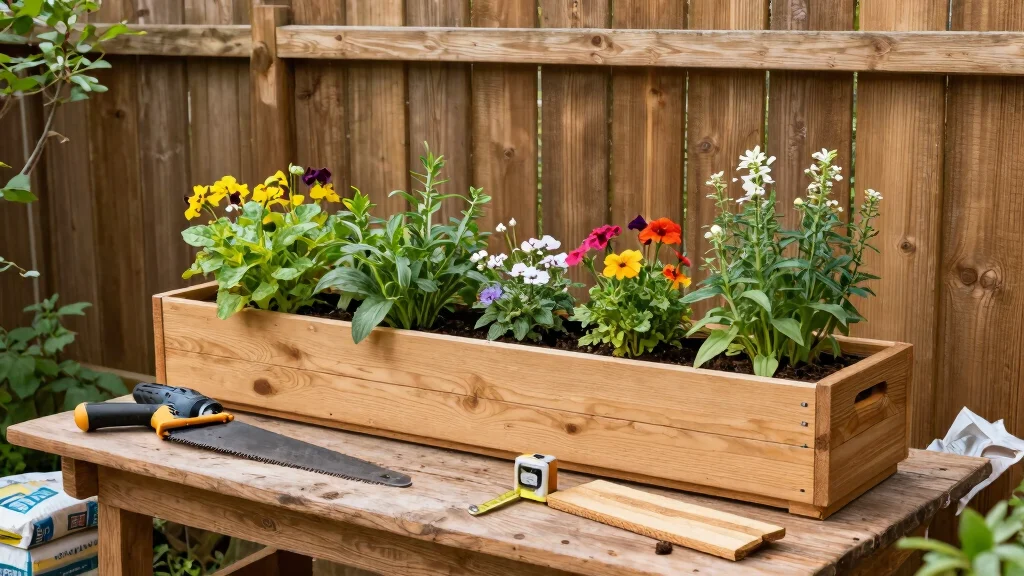
Gardening season is here, and it has me craving a fresh outdoor space to enjoy. If you’re into sprucing up your backyard or balcony, this one’s for you. I pulled together seven DIY planter boxes that are shockingly easy to build this weekend. These projects are not only budget-friendly but also perfect for maximizing your gardening potential, especially in small spaces.
Imagine transforming your outdoor area into a lush oasis with beautiful flowers, herbs, or vegetables. Whether you have a tiny apartment balcony or a spacious backyard, these planter boxes can fit right in. You’ll feel accomplished as you create stunning outdoor decor ideas while diving into easy DIY gardening projects. No need for advanced skills or expensive materials—just a weekend and a few simple tools will set you on the path to enjoying your green thumb.
In this guide, you’ll discover a variety of planter box styles, ranging from classic wooden designs to creative recycled options. Each idea is straightforward, allowing you to add a personal touch to your outdoor decor while enhancing your backyard landscaping. So grab your tools and let’s get started on building some beautiful planter boxes!
Key Takeaways
– Explore seven unique DIY planter box designs that cater to small spaces, perfect for urban gardens or balconies.
– Learn how to build classic wooden planter boxes that offer durability and style, making them a staple in any garden project.
– Discover tiered vertical planter boxes that allow for maximum planting potential and add visual interest to your outdoor area.
– Get creative with hanging planter boxes that can transform walls and ceilings into lush greenery, saving valuable floor space.
– Find out how to use recycled materials for container planters, showcasing your eco-friendly approach while adding charm to your garden.
1. Classic Wooden Planter Box
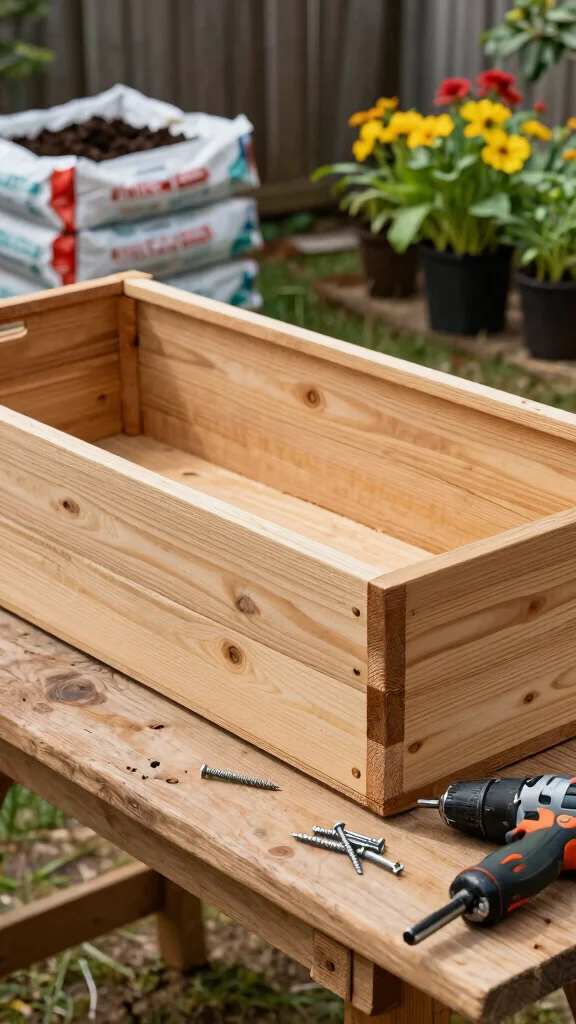
There’s nothing quite like the allure of a classic wooden planter box. Its timeless design brings warmth and character to any outdoor space, and the best part? It’s super easy to make! With just some wooden planks, screws, and a few tools, you can craft a durable planter that enhances your garden’s aesthetics.
Begin by cutting your wood into six pieces: four sides, one top, and one bottom. Assemble the sides first, securing the corners with screws, then attach the bottom piece. Don’t forget to sand down any rough edges and finish it with a stain or paint that complements your style.
Key steps to get started:
– Assemble the sides and secure them with screws
– Attach the bottom for stability
– Sand and finish to match your decor
This simple yet effective project is perfect for beginners and offers room for customization. Position it against a wall or fence for a charming vertical garden, and fill it with vibrant flowers or fresh vegetables to brighten up your outdoor space!
Fun fact: a classic wooden planter box can be built with just six plywood pieces and a few screws—perfect for a weekend project. With planter boxes diy, you’ll boost curb appeal and garden space without breaking the bank.
Classic Wooden Planter Box
Editor’s Choice

Wensilon #10 * 3″ Deck Screws, (137pcs) 2 lbs.Exterior Wood Screws, Rust…


12 Pack Cedar Planks for Grilling Salmon and More – Sourced and Made in …

DEWALT 20V Max Cordless Drill Driver Set, 2 Speed, High Performance Moto…
2. Tiered Vertical Planter Box
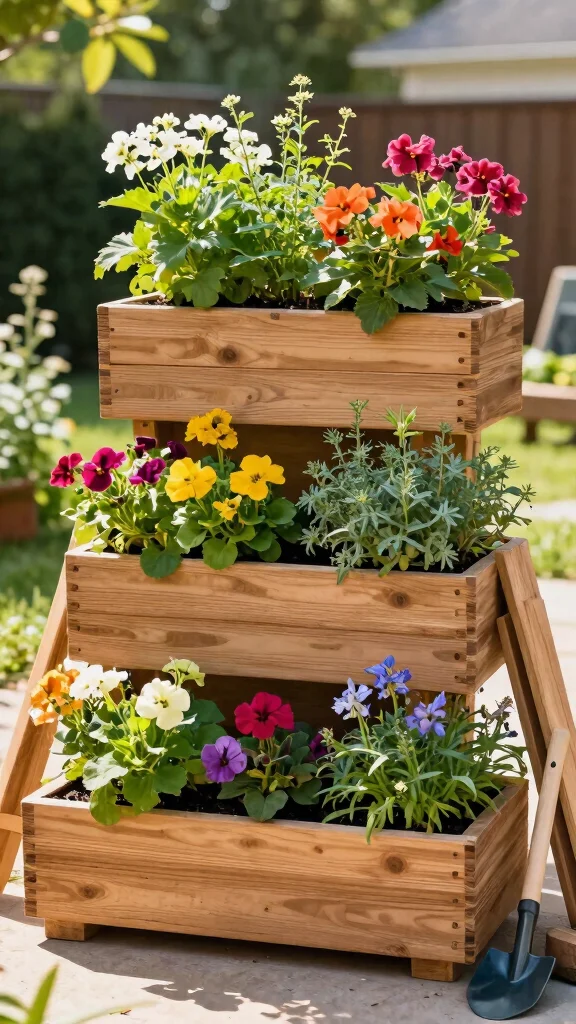
Maximize your gardening potential with a tiered vertical planter box! This design not only saves space but also creates a stunning focal point in your yard. You can stack various planter boxes or build one large box divided into sections for your plants.
Start by cutting larger planks for a solid base, then use progressively smaller ones for the upper tiers. Secure each box with brackets to ensure stability, and remember to drill drainage holes for healthy plants.
Key steps to build:
– Cut larger planks for the base
– Use smaller planks for upper tiers
– Secure boxes with brackets and add drainage holes
This eye-catching planter is perfect for herbs, flowers, or succulents, letting you cultivate a mini garden oasis. Enhance the look by painting each tier in different colors or sticking to a natural finish for rustic charm!
📹 Related Video: DIY Tiered 5 box planter- Low Cost High Profit – Make Money Woodworking
Tiered Vertical Planter Box
Editor’s Choice

Adjustable Planter Box Brackets,Enhanced Bottom Support,Universal Outdoo…

The Complete Book of Woodworking: Step-by-Step Guide to Essential Woodwo…

Fisch Black Shark Forged Steel Forstner Drill Bit for Woodworking, Preci…
3. Pallet Planter Box
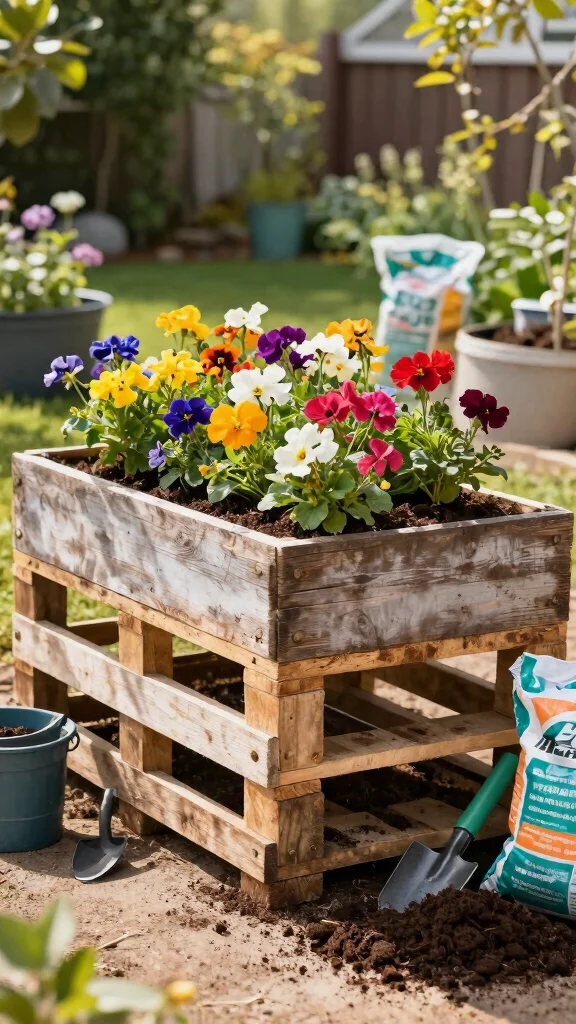
If you adore rustic decor and sustainability, a pallet planter box is a fantastic DIY choice. These eco-friendly planters not only offer a unique aesthetic but also give you a chance to repurpose old materials.
Begin with a sturdy pallet, ensuring it’s free from rot. Cut it to the desired size and remove any boards to create compartments. Line the inside with landscaping fabric to retain soil while allowing drainage.
Key steps to make:
– Start with a sturdy, undamaged pallet
– Cut and customize to your preferred size
– Line with landscaping fabric for drainage
Pallet planter boxes are perfect for herbs and flowers, adding a charming touch to your garden. You can also paint or stain them to match your existing decor, making them a stylish addition to your outdoor space!
Pallet Planter Box
Editor’s Choice

LAVEVE 4FT x 100FT Weed Barrier Landscape Fabric, 3.2oz Premium Heavy Du…

Yaheetech 43.5″ L×16″ W×14″ H Wooden Raised Garden Bed, Horticul…

Garden Tools Set, 3 Pack Heavy Duty Gardening Tools Set Include Garden S…
4. Hanging Planter Boxes
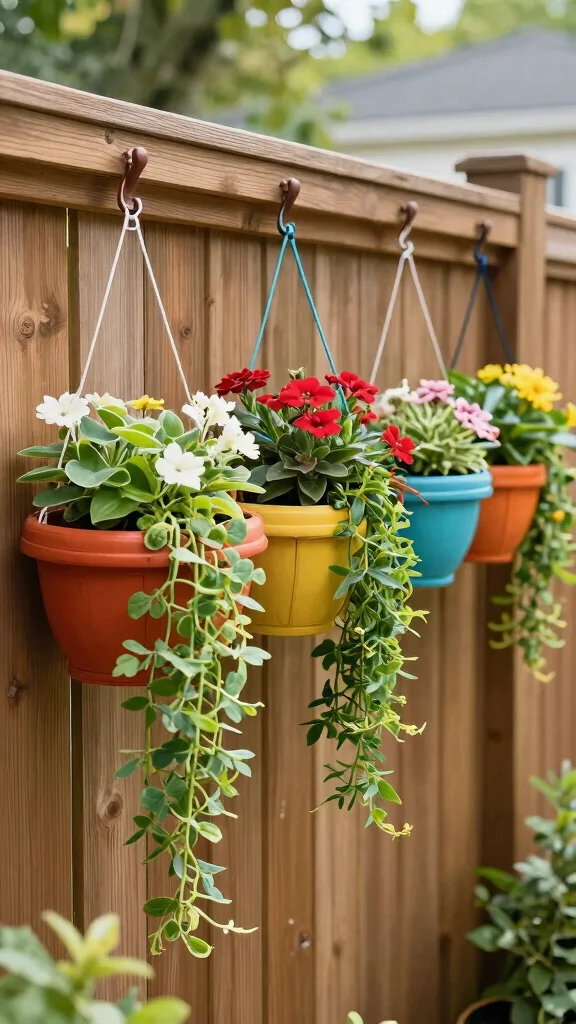
Short on floor space? Hanging planter boxes are an excellent way to display your plants while adding whimsy to your outdoor area. They can be hung on walls, fences, or balconies for a vibrant touch.
To create your own, use lightweight wooden boxes or small crates that have drainage holes. Attach sturdy hooks or brackets to hang them securely, and consider adding bright colors for a playful look.
Key steps to build:
– Use lightweight boxes with drainage holes
– Attach hooks or brackets for hanging
– Paint in bright colors for added flair
These planters can be filled with trailing plants like ivy or cascading flowers, creating a lush green display. They’re not just functional but also enhance your outdoor decor, making your space inviting and beautiful!
Fun fact: Hanging planter boxes can add up to 2.5x more greenery in small spaces—perfect planter box ideas for tiny patios. With sturdy brackets and lightweight planters, you can save ground space while creating a floating garden.
Difficulty Rating & Requirements
Overall Difficulty Rating: Easy
Building DIY planter boxes can be a fun and straightforward project for anyone. With simple tools and basic woodworking skills, you can create beautiful wooden planter boxes. These projects are suitable for beginners and seasoned gardeners alike, making them perfect for a weekend family activity or a solo endeavor.
Time Estimate: ⏱ Estimated time: 3-5 hours
Most planter box projects can be completed in one weekend. Here’s a breakdown of the time you might spend on each phase:
1. Planning and Design: 30 minutes to 1 hour
2. Gathering Materials: 1 hour
3. Cutting and Assembling: 2-3 hours
4. Finishing Touches: 30 minutes
Skill Requirements:
– Required skills: Basic woodworking, measuring, and using power tools
– Beginner-friendly: Yes, with proper guidance and supervision
– Skills that can be learned: Measuring and cutting wood, applying finishes
– Skills requiring experience: Advanced joinery techniques (not necessary for basic planter boxes)
Tools & Materials Needed: 🧰 Essential items checklist
1. Wood planks (e.g., cedar or pine) – Required
2. Wood screws – Required
3. Drill – Required
4. Saw (circular or hand saw) – Required
5. Measuring tape – Required
6. Sandpaper – Optional (for finishing touches)
7. Wood stain or paint – Optional (for aesthetic purposes)
8. Outdoor sealant – Required (to protect wood from moisture)
Step-by-Step Overview:
1. Planning and Design (30 minutes): Sketch your desired planter box size and shape. Decide on the dimensions based on the space available in your garden or patio.
2. Gathering Materials (1 hour): Head to your local hardware store to pick up all necessary materials. Make sure to choose rot-resistant wood, especially for outdoor use.
3. Cutting and Assembling (2-3 hours): Cut the wood planks to your desired lengths. Assemble the planter box by drilling screws into the corners for stability. Make sure everything is secure and properly aligned.
4. Finishing Touches (30 minutes): Sand the edges for a smoother finish. If desired, apply wood stain or paint for visual appeal. Don’t forget to seal it with an outdoor sealant to prevent water damage.
Cost Comparison: Professional vs DIY: Hiring a professional to construct a planter box can range from $150 to $500 depending on size and materials. On the other hand, a DIY project might cost you around $50 to $100 for materials. If you enjoy hands-on projects and want to save money, tackling this challenge can be rewarding both financially and creatively. If the task seems overwhelming or you lack tools, consider hiring a professional, especially for more complex designs.
Hanging Planter Boxes
Editor’s Choice

AJART Heavy-Duty Plant Hanger Outdoor – Can Hold 50 Lbs Plant Basket or …

Winlyn Rustic Wooden Planter Box 17.3″ L x 3.9″ W x 3.9″ H Brown Rectang…
Shuttle Art Outdoor Acrylic Paint Set, 12 Colors Waterproof Paint, 8.45o…
5. Corner Planter Boxes
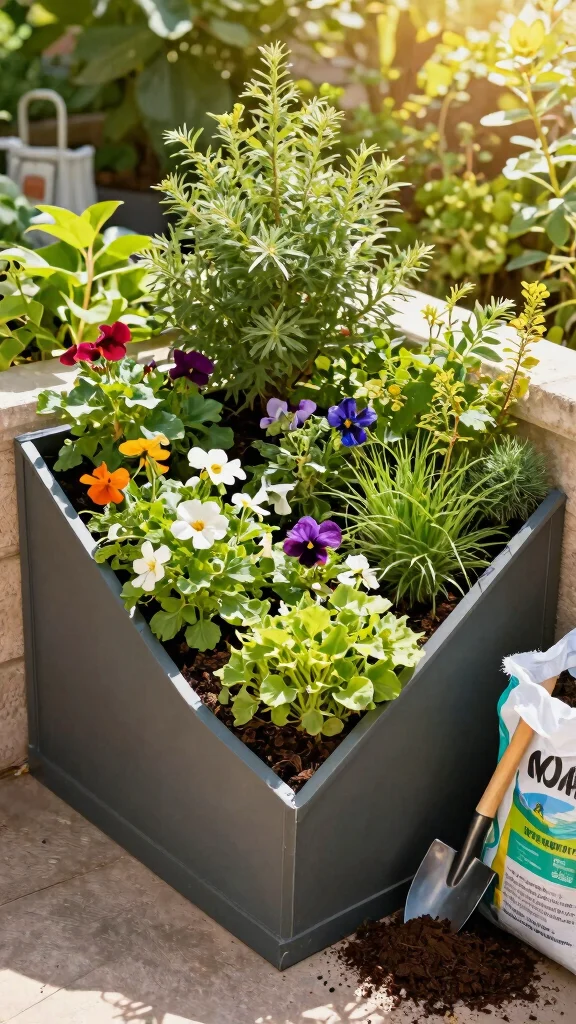
Are you tired of unused corners in your garden? Corner planter boxes are a clever solution that maximizes limited space. These boxes fit snugly into corners, providing ample planting area while enhancing your garden’s design.
Start by measuring the corner area to customize your planter’s dimensions. Assemble the wooden panels into a triangular or square shape, and remember to include drainage holes for healthy plants.
Key steps to create:
– Measure your corner area for customization
– Assemble panels into the desired shape
– Ensure drainage holes for plant health
With corner planter boxes, you can create a stunning focal point filled with fragrant herbs, colorful flowers, or even veggies. They not only serve a functional purpose but also elevate your backyard landscaping!
Fun fact: In a tight 4×4 ft corner, a DIY planter box can add up to 40% more growing space. Measure the corner, cut panels to fit, and add drainage holes—planter boxes diy make every inch count.
Corner Planter Boxes
Editor’s Choice

BAOYOUNI Raised Garden Bed Kit DIY Plastic Planter Box for Growing Fresh…

Miracle-Gro Moisture Control Potting Mix – Plant Soil For Container Plan…

DEWALT Drill Bit Set, 3-Flats Shank,14-Piece, 135 Degree Split Point, fo…
6. Vertical Shoe Rack Planters
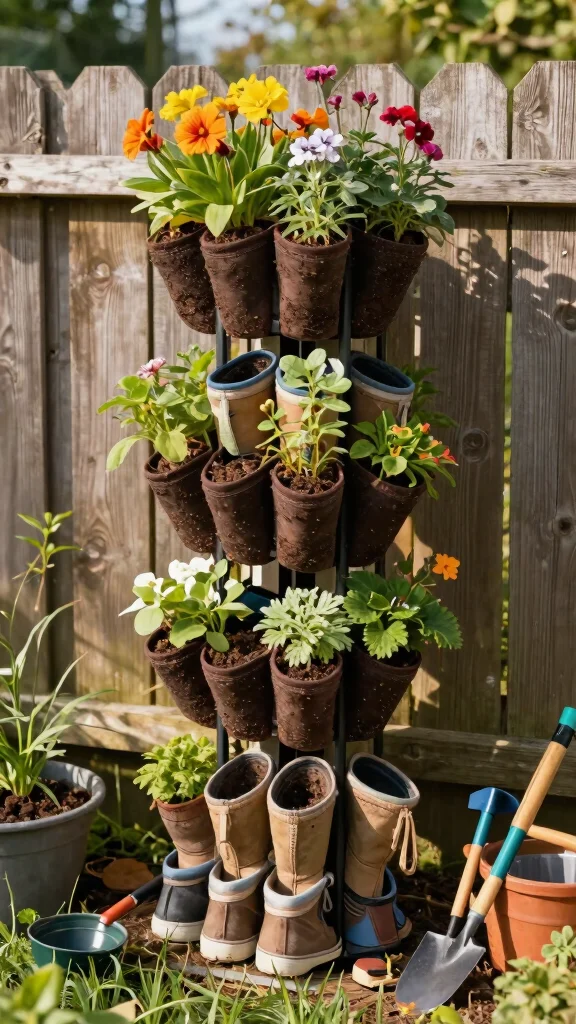
Feeling creative? Transform an old shoe rack into a unique vertical planter! This budget-friendly DIY project adds personality and charm to your garden while utilizing space effectively. Shoe racks are perfect for growing herbs, succulents, and flowers in their pockets.
Start by cleaning the shoe rack and removing any unnecessary parts. Paint or stain it to match your outdoor decor, then fill the shoe pockets with soil and your favorite plants.
Key steps to transform:
– Clean and prepare the shoe rack
– Paint or stain to match your decor
– Fill pockets with soil and plants
This unconventional planter becomes a conversation starter and a fun way to express your style. Use various fabric pockets for a colorful twist, turning a simple shoe rack into a stunning garden feature!
Vertical Shoe Rack Planters
Editor’s Choice

Thompson’s WaterSeal Multi-Surface Waterproofer Stain, Clear, 1 Gallon
Garden Tools Set, 3 Pack Heavy Duty Gardening Tools Set Include Garden S…

Burpee, 9 Quarts | Premium Organic Potting Natural Soil Mix Food Ideal f…
7. Recycled Container Planters
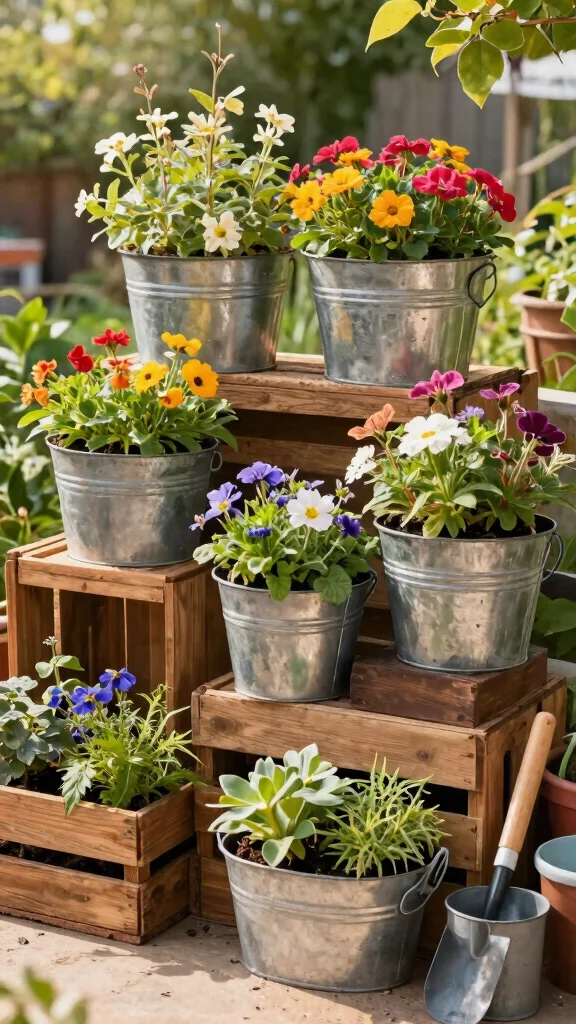
For those looking to be eco-friendly, recycled containers make fantastic planter boxes! Almost any container, from wooden crates to metal buckets, can be repurposed for your plants. This project breathes new life into old items while creating beautiful homes for your greenery.
Select containers based on your style and space needs, ensuring they have proper drainage holes. Decorate the outside with paint, twine, or embellishments to personalize them further.
Key steps to get started:
– Choose containers based on style and space
– Ensure proper drainage holes
– Decorate with paint or twine for flair
Recycled container planters add a unique touch to your outdoor decor. Fill them with vibrant flowers or herbs for a charming rustic element in your garden while embracing sustainability!
Recycled Container Planters
Editor’s Choice

Paint Hero 8 Pack Paint Storage Bags – Airtight Refillable 1 Gallon Pouc…

PerkHomy Natural Jute Twine 600 Feet Long Twine String for Crafts Gift W…

3 otters 15-Piece Diamond Hole Saw Kit for Plant Pots, DIY Gardening & C…
Conclusion
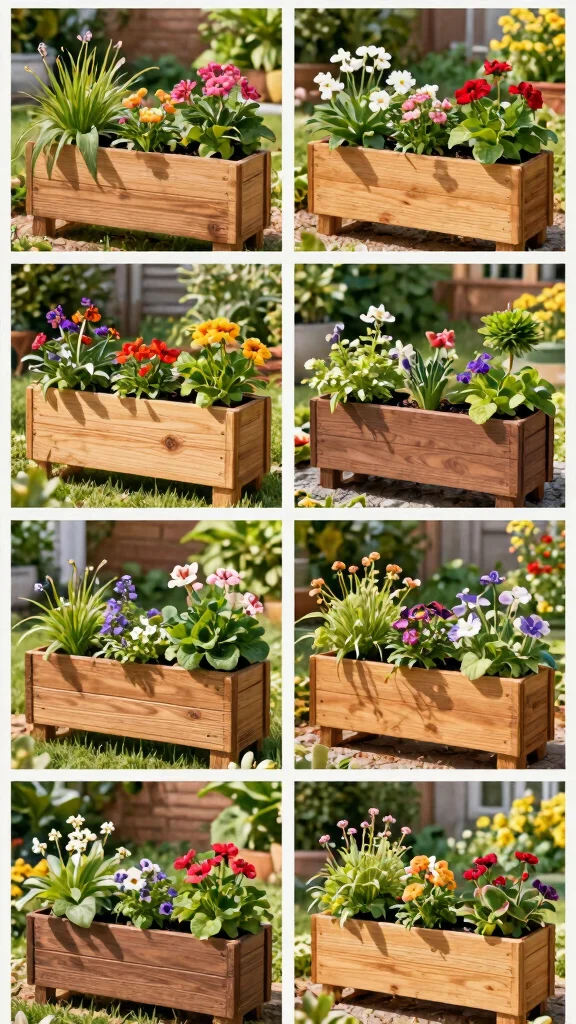
These seven easy DIY planter boxes are perfect for anyone looking to enhance their gardening game while maximizing space. Embrace your creativity and enjoy the process of building and planting, transforming your small outdoor areas into lush retreats. Whether you opt for classic wooden designs or recycled creations, each planter brings a touch of personality to your backyard landscaping.
Get out there this weekend and let your green thumb shine!
Note: We aim to provide accurate product links, but some may occasionally expire or become unavailable. If this happens, please search directly on Amazon for the product or a suitable alternative.
This post contains Amazon affiliate links, meaning we may earn a small commission if you purchase through our links, at no extra cost to you.
Frequently Asked Questions
What materials and tools do I need to start a planter boxes diy vertical project for small spaces?
Great question. For planter boxes diy vertical projects, choose durable, rot resistant wood like cedar or redwood for wooden planter boxes. Gather: plywood panels or wooden boards, screws, wood glue, a drill, a saw, a measuring tape, sandpaper, clamps, and a square. For drainage: drill drainage holes and add landscape fabric or a liner to prevent soil from washing out. Add a weatherproof sealant or outdoor stain on all exposed surfaces. You will also need soil, compost, and a good quality potting mix, plus plants suited to container life. Optional: casters or mounting brackets if you want to move or wall mount. This is a solid start for your garden projects and your planter boxes diy plan.
How can I design and assemble a simple vertical planter box that fits a balcony or wall?
Begin with a simple plan for your planter boxes diy vertical project. Measure the space, decide on width, height and depth, and choose the back support. Cut panels to size, drill drainage holes, and assemble with screws and wood glue. Attach a backer strip or slats for rigidity. Mount to a wall with brackets or use a freestanding frame with battens. Line the box with landscape fabric to shield soil, then fill with lightweight potting mix. Plant herbs like basil and thyme or compact greens, plus trailing varieties for effect. Water deeply but infrequently; a small drip line works well for easy maintenance.
What maintenance tips help wooden planter boxes last longer outdoors?
Protect wooden planter boxes with exterior grade sealant or paint, and avoid leaving wood sitting in standing water. Elevate off the ground with feet or a tray. Use rot resistant woods for future projects. Clean out old soil yearly, refresh with fresh mix, and check for loose screws or damaged boards. In colder months, store the boxes indoors if possible or cover with breathable material. Regular inspection keeps your planter boxes diy looking great year after year and complements your outdoor decor ideas.
Can I mix plant types and irrigation in vertical planter boxes for easy DIY gardening?
Absolutely. Plan for similar water and light needs for companions. Use a high quality potting mix with perlite or coconut coir for drainage. For irrigation, consider a simple watering schedule or a compact drip system. Group herbs, compact flowering plants and trailing vines for a lush vertical look. Keep a top layer mulch or coarse grit to reduce evaporation. This keeps the project easy DIY gardening routine.
What are some creative outdoor decor ideas using vertical planter boxes for small spaces?
Turn a blank wall into a living focal point with a stack of wooden planter boxes attached to a fence or wall. Paint or stain boxes to match your outdoor decor ideas and backyard landscaping style. Mix edible herbs with ornamental annuals, add a trellis for climbing plants, or set a portable unit on a balcony to create privacy. Pair with solar lights, plant labels, or a weather station for extra charm. Vertical planters can boost style and function in any small garden.
Related Topics
DIY planter boxes
vertical gardening
small space gardening
easy garden projects
wooden planter boxes
outdoor decor
backyard landscaping
beginner friendly
weekend projects
container gardening
sustainable gardening
quick DIY