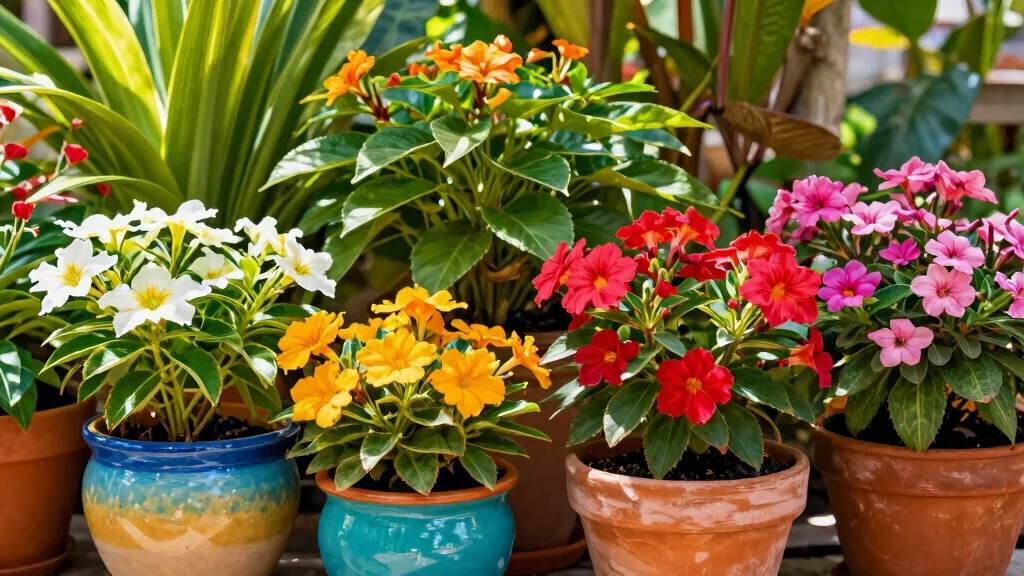
The vibrant allure of dipladenia flowers has me dreaming of a garden that bursts with color. These tropical beauties are a perfect addition to any container garden, offering a dazzling display from spring through fall. Whether you’re a seasoned gardener or just starting out, you may find yourself craving ways to incorporate these stunning plants into your outdoor spaces. That’s why I created this post—it’s time to transform your garden into a tropical paradise!
If you’re someone who loves colorful container gardening, you’re in the right place. This guide is tailored for you, especially if you want low-maintenance garden ideas that can elevate your outdoor spaces. With ten unique dipladenia planter ideas, you’ll discover ways to create eye-catching arrangements that will thrive all season long. Say goodbye to dull corners in your garden and hello to a riot of colors!
I’ve put together these ideas not only to inspire you but also to provide practical tips on dipladenia care to keep your plants flourishing. From charming hanging baskets to stylish terracotta planters, you’ll find inspiration for every corner of your home. Let’s dive in and explore the colorful world of dipladenia planter ideas that will light up your garden!
Key Takeaways
– Planter Variety: Explore various planter styles such as hanging baskets and terracotta pots to find the perfect fit for your outdoor decor.
– Care Tips: Learn essential dipladenia care tips that will help your plants thrive and maintain their vibrant colors all season.
– Arrangement Ideas: Discover unique combinations in tropical plant arrangements that enhance the visual impact of your garden.
– Low-Maintenance Solutions: Find out how to create stunning displays that require minimal upkeep, making gardening enjoyable and stress-free.
– Seasonal Flare: Understand how to incorporate seasonal flowering plants with your dipladenia for a constantly changing and colorful garden.
1. Hanging Baskets of Happiness
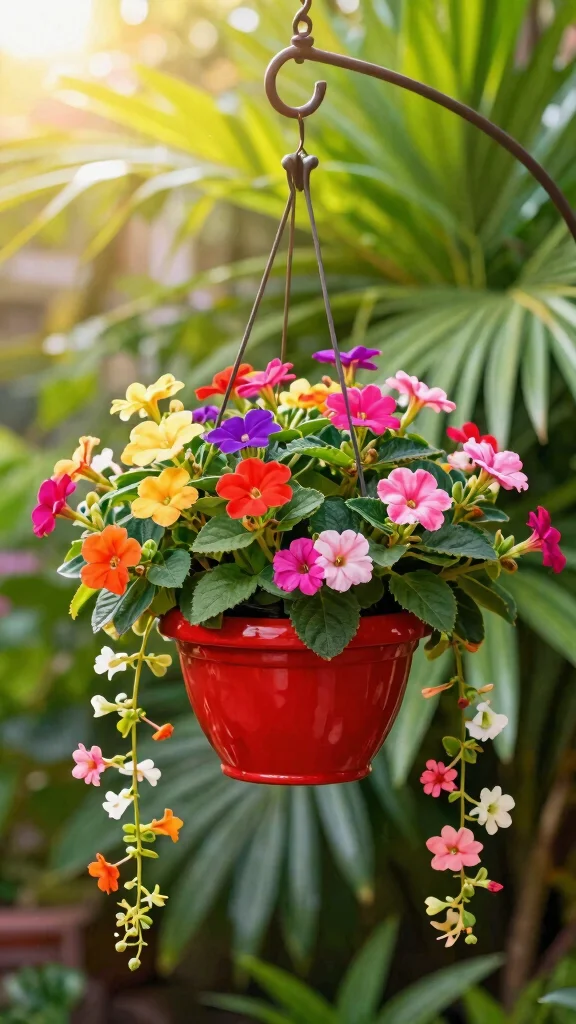
Imagine bright, colorful dipladenia blooms spilling from beautiful hanging baskets, instantly elevating your outdoor space. These vibrant arrangements not only save valuable ground space, but they also create a stunning vertical display that draws your eyes upward. Opt for planters in lively colors like turquoise or fiery red to contrast against the lush greenery, adding an eye-catching element to your garden.
To keep your hanging baskets thriving, use a well-draining soil mix and water them regularly. Consider adding trailing plants to enhance the cascading effect and bring more depth to your arrangement. This method allows you to change the look of your garden seasonally with minimal effort.
Key steps to create your hanging basket display:
– Choose vibrant planters in your favorite colors
– Incorporate trailing plants for added dimension
– Ensure consistent watering to keep blooms healthy
This approach brings an enchanting touch to your garden, making it a beautiful haven for relaxation and enjoyment.
Fun fact: Two dipladenia in a hanging basket are a key part of dipladenia planter ideas, delivering radiant color all season. They take up less ground space than any bed, and you can swap in turquoise or fiery-red planters for extra pop.
📹 Related Video: Planting Hanging Baskets: Getting Started! 🌸🙌// Garden Answer
Ongoing Maintenance & Care Guide
Maintenance Schedule:
Daily/Weekly Tasks:
– Water your dipladenia when the top inch of soil feels dry. This usually takes place once a week during hot months.
– Check for any dead or yellowing leaves. Removing them keeps your plant healthy and promotes growth.
– Inspect the soil moisture. If it’s too wet, adjust your watering schedule. Too dry? Water it more often.
– Rotate your planter every few weeks to ensure even sunlight exposure. This helps the plant grow evenly and prevents it from leaning.
– Time estimate for each task: 10-15 minutes.
Monthly/Seasonal Tasks:
– Fertilize your dipladenia every month during the growing season (spring and summer) with a balanced fertilizer. Follow package instructions for measurements.
– Prune any wayward branches or stems. This keeps the shape neat and encourages bushier growth.
– Check for pests like aphids or spider mites. If you find any, treat with insecticidal soap.
– Refresh the potting soil every spring to provide fresh nutrients. Remove about one-third of the old soil and replace it.
– Time estimate for each task: 30-45 minutes.
Maintenance Summary Table:
| Task | Frequency | Difficulty | Time Needed |
|————————|——————|—————–|—————|
| Watering | Weekly | Easy | 10-15 mins |
| Leaf Inspection | Weekly | Easy | 10-15 mins |
| Soil Moisture Check | Weekly | Easy | 10-15 mins |
| Rotating Planters | Weekly | Easy | 10-15 mins |
| Fertilizing | Monthly | Easy | 30-45 mins |
| Pruning | Monthly | Moderate | 30-45 mins |
| Pest Check | Monthly | Easy | 30-45 mins |
| Soil Refresh | Seasonal (Spring)| Moderate | 30-45 mins |
Common Issues to Watch For:
⚠️ Yellowing Leaves: This could mean overwatering. Check the soil to see if it’s soggy. If so, cut back on watering.
⚠️ Wilting: If leaves are wilting, your plant might be thirsty. Check the soil moisture quickly.
⚠️ Brown Edges: This often indicates that the humidity is too low or the plant is getting too much sun. Move it to a shadier spot or mist it regularly.
⚠️ Stunted Growth: If your dipladenia isn’t growing, it might need more nutrients. Fertilize it to boost its growth.
⚠️ Pest Infestations: Look for tiny insects on the leaves and stems. Treat them right away to prevent spread.
Care Tips:
💡 Choose the Right Spot: Place your dipladenia in bright, indirect sunlight. Too much direct sun can scorch its leaves.
💡 Drainage is Key: Ensure your planter has drainage holes. This prevents water from pooling at the bottom, which can lead to root rot.
💡 Fertilize Smartly: Use a water-soluble fertilizer for best results. Feed your plant every month during the growing season to keep it vibrant and blooming.
💡 Temperature Matters: Keep your dipladenia in a warm environment. They thrive in temperatures between 65°F and 85°F (18°C to 29°C). If it gets too cold, it can suffer.
💡 Regular Cleaning: Wipe the leaves gently with a damp cloth. This removes dust and helps the plant breathe better, promoting healthier growth.
With these tips, your dipladenia will thrive and explode with color all season long. Enjoy vibrant blooms and lush foliage with regular care!
Hanging Baskets of Happiness
Editor’s Choice

KINGLAKE Flower Pots,10 Pcs Metal Iron Hanging Flower Plant Pots Balcony…


Osmocote Smart-Release Plant Food Plus Outdoor & Indoor1 – Granular, Con…

Back to the Roots 100% Organic Indoor Potting Mix (6 Quart), Promotes He…
2. Terracotta Planters for a Rustic Touch
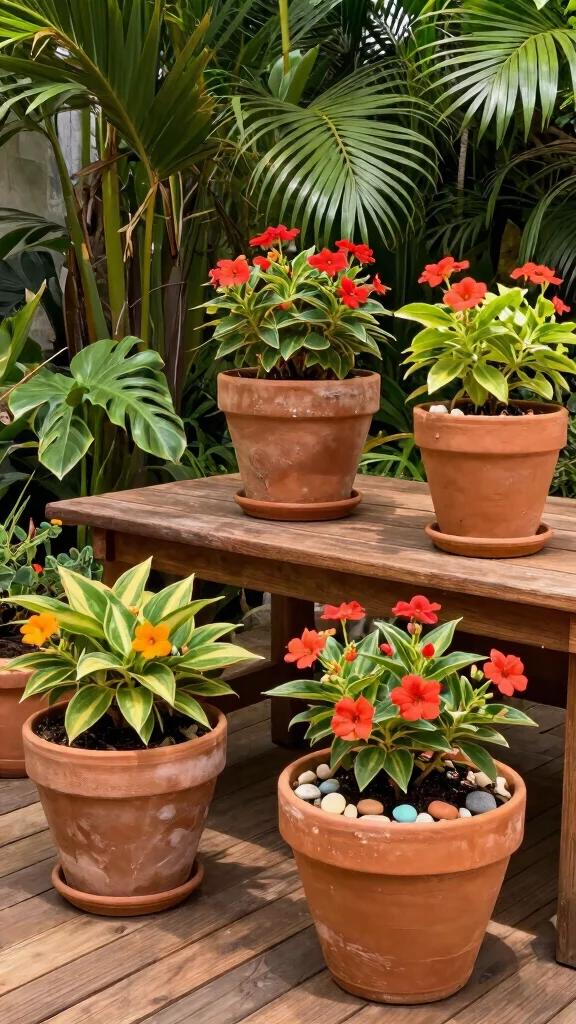
Create a warm, inviting atmosphere by planting your dipladenia in charming terracotta pots. The earthy tones of terracotta serve as a perfect canvas, allowing the bright blooms of your dipladenia to shine. Mix different pot sizes to craft an engaging display on your patio or porch that feels both cozy and stylish.
Remember to water your terracotta planters more often during hot days, as their porous nature can dry out quickly. This rustic look not only complements the tropical beauty of dipladenia but also stands the test of time. Enhance your setup by adding a layer of colorful pebbles on top for both decoration and moisture retention.
Tips for creating a beautiful terracotta display:
– Mix various pot sizes for visual interest
– Layer colorful pebbles for a decorative touch
– Water regularly, especially in hot weather
This approach adds a timeless charm to your garden, making it a welcoming retreat for family and friends.
Terracotta Planters for a Rustic Touch
Editor’s Choice

Miracle-Gro Tropical Potting Mix – Growing Media for Tropical Plants Liv…

35 oz Metal Small Indoor Watering Can with Long Spout & Real Wood Handle…

11″H x 9.5″ Dia Aged Terracotta Clay Planter Pot with Drainage Hole, Rus…
3. Colorful Ceramic Companions
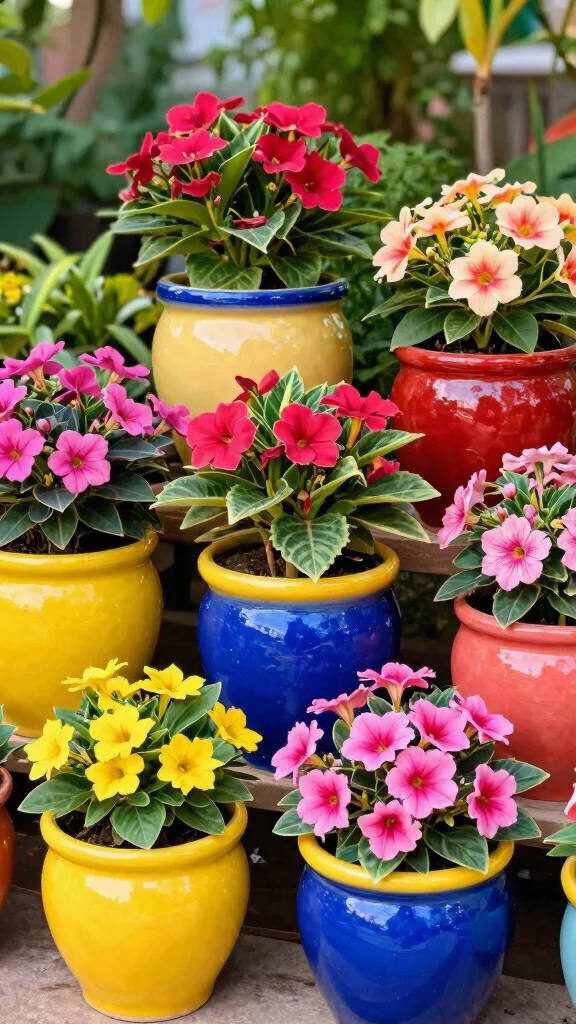
Brighten your outdoor area with a collection of vivid ceramic planters, each showcasing a different variety of dipladenia. From sunny yellows to deep ocean blues, these pots can reflect your unique personality and style. Mixing various colors creates a delightful visual spectacle that enhances your garden’s allure.
Ensure your ceramic pots have proper drainage holes to keep your dipladenia flourishing, as stagnant water can cause harm. The glossy finish of ceramic not only adds elegance but also highlights the lushness of the flowers. Grouping different colors together can create a striking display, or scattering them throughout your garden can tie the whole space together.
Steps to design your colorful ceramic arrangement:
– Choose a variety of vibrant ceramic pots
– Ensure each pot has drainage holes
– Group colors for a cohesive look
This strategy brings a joyful and lively atmosphere to your garden, making it a vibrant escape for all who visit.
Bright ceramic planters turn dipladenia into a color story you can read all season. Try these dipladenia planter ideas by mixing yellows, blues, and pinks to mirror your style—just make sure every pot has drainage and a glossy finish to keep blooms thriving.
Colorful Ceramic Companions
Editor’s Choice

Gepege Ceramic Indoor Pots for Plants, Rainbow Pearl Glaze Planter with …

Miracle-Gro Organic Indoor Potting Mix – Protects Against Over and Under…
4. Mixed Plant Arrangements
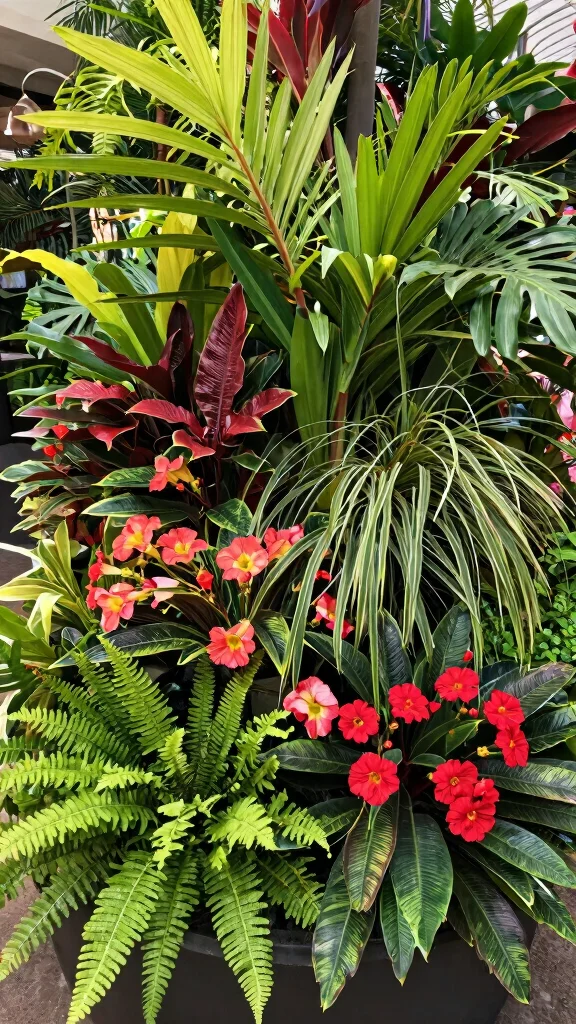
Elevate your garden’s energy by combining dipladenia with other tropical plants for a stunning mixed arrangement. Consider pairing them with ferns, ornamental grasses, or even succulents to create a lively and diverse display. Choose a large planter to accommodate this vibrant mix, ensuring each plant has the space to thrive.
Make sure that all plants included in the arrangement share similar light and water needs to maintain a healthy community. This approach adds variety and creates a lush, tropical feel that can transport you to a serene paradise right at home. For an attractive layered look, use a taller plant in the center, surrounded by shorter dipladenia and trailing vines.
Tips for creating a mixed plant arrangement:
– Combine plants with similar care requirements
– Use a large planter for ample space
– Layer taller plants for visual appeal
This method transforms your outdoor space into a vibrant oasis, filled with life and color.
Mixed Plant Arrangements
Editor’s Choice
Osmocote Smart-Release Plant Food Plus Outdoor & Indoor1 – Granular, Con…

Chapin 47998 Watering Can, 2 Gallon, Indoor and Outdoor Plants, Lawn, Ga…

Devoko Resin Tall Planters for Outdoor Plants Set of 2, Large Taper Outd…
5. DIY Upcycled Planters

Explore your creative side by crafting unique upcycled planters to house your vibrant dipladenia! Utilize old wooden crates, tin cans, or glass jars to give your tropical beauties a one-of-a-kind home. This eco-friendly approach not only saves money, but it also adds a personal touch to your garden decor.
Remember to drill drainage holes in your DIY planters to support the health of your dipladenia. Upcycled planters bring character and charm to your garden, showcasing your creativity while promoting sustainability. To enhance their appeal, consider using bright paint or decoupage to give your planters a fresh look that complements the lively colors of your dipladenia.
Steps to create your upcycled planters:
– Gather materials like crates or jars
– Ensure proper drainage with holes
– Decorate with paint or designs
This approach allows you to express your individuality while providing a beautiful home for your plants.
DIY Upcycled Planters
Editor’s Choice

Planters’ Choice 9 Herb Indoor Window Garden Kit – Birthday Gifts – Hous…

Grenebo Gardening Tools 9-Piece Heavy Duty Garden Hand Tools with Fashio…

COOLJOB 6 Pairs Gardening Gloves for Women Ladies, Breathable Rubber Coa…
6. Vertical Gardens

Maximize your outdoor space by designing a stunning vertical garden featuring dipladenia and other tropical plants. Wall-mounted planters or garden trellises can transform ordinary walls into vibrant living art, ideal for smaller areas. This technique adds a unique character to your patio or balcony, creating an engaging visual experience.
Make sure your vertical setup is securely installed and allows for proper drainage to prevent water buildup. This method not only adds depth and interest but also makes your garden feel larger and more dynamic. Including trailing plants alongside dipladenia can create a cascading effect that draws the eye downwards, enhancing the overall aesthetic.
Tips for establishing a vertical garden:
– Use wall-mounted planters for space-saving
– Ensure secure installation and drainage
– Include trailing plants for added visual appeal
This strategy transforms your garden into a lush, vibrant retreat, perfect for relaxation and enjoyment.
7. Coastal Themed Planters

Bring the serenity of the beach to your backyard with coastal-themed planters for your dipladenia! Think soft blues and sandy beiges that evoke the calming colors of the ocean. Incorporating nautical designs like starfish or seashells can add a whimsical touch to your arrangements, making them feel like a seaside escape.
Use lightweight, weather-resistant materials for your coastal planters to ensure they withstand the elements. This theme not only promotes relaxation but also transforms your outdoor area into a tranquil retreat. Pair your dipladenia with white or yellow flowering plants to mimic the hues of beach flowers for a cohesive look.
Steps to design your coastal planters:
– Select colors that reflect the beach
– Incorporate nautical designs for charm
– Combine with beach-hued flowers for harmony
This approach creates a peaceful atmosphere, inviting you to unwind and enjoy the beauty of nature.
Coastal Themed Planters
Editor’s Choice

Jingmore 3 Pcs Nautical Decor Gift for Women Planter Ceramic Gift Animal…

Jewelry Dish Tray For Coastal Beach Room Decor,Cute Ceramic Ring Holder …
8. Minimalist Modern Planters
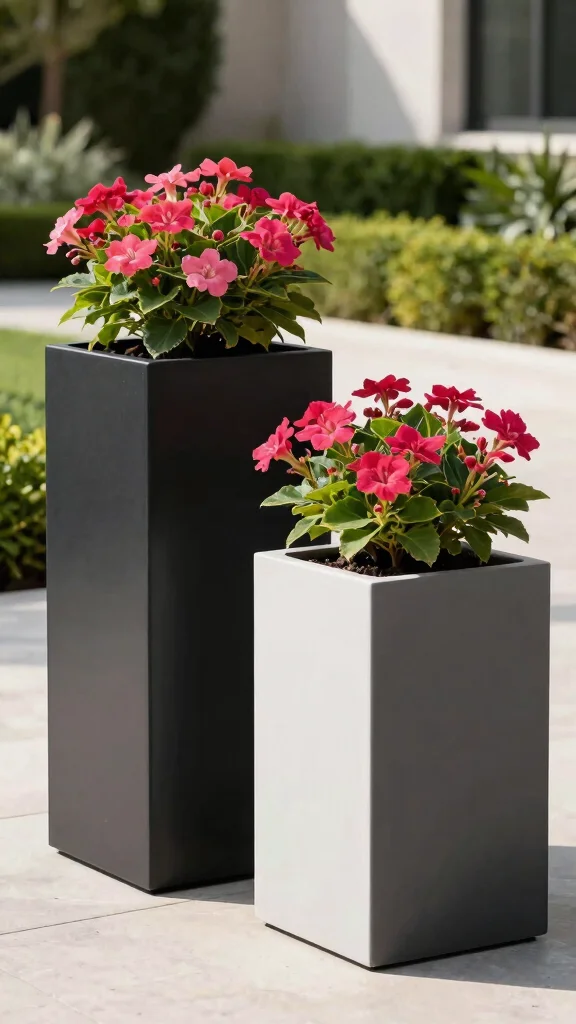
For a sleek and sophisticated look, choose minimalist modern planters that let your dipladenia shine. Opt for simple, geometric shapes in neutral colors like white, gray, or matte black to create a chic contrast with the vibrant blooms. This style allows your plants to be the true stars of your outdoor space.
Maintain a consistent watering routine, as minimalist planters may require more frequent care to keep your plants flourishing. The uncluttered aesthetic of this style promotes a polished atmosphere, perfect for contemporary outdoor areas. Grouping several minimalist pots together can create a striking visual impact, or line them along a pathway for an elegant border.
Tips for selecting minimalist planters:
– Choose geometric shapes for a modern touch
– Opt for neutral colors for a sophisticated look
– Group pots for a dramatic effect
This strategy enhances your garden’s modern charm, creating a stylish outdoor retreat for relaxation.
Minimalist Modern Planters
Editor’s Choice

Veradek Mason Series Lima Planter – Round Planter for Indoor or Outdoor …

VEVOR Set of 2 Tall Outdoor Planters 22inch, Large Planters for Outdoor …

MOONSOUND Self Watering Globes for Plants – 10pcs Automatic Watering Bul…
9. Patio Table Centerpieces
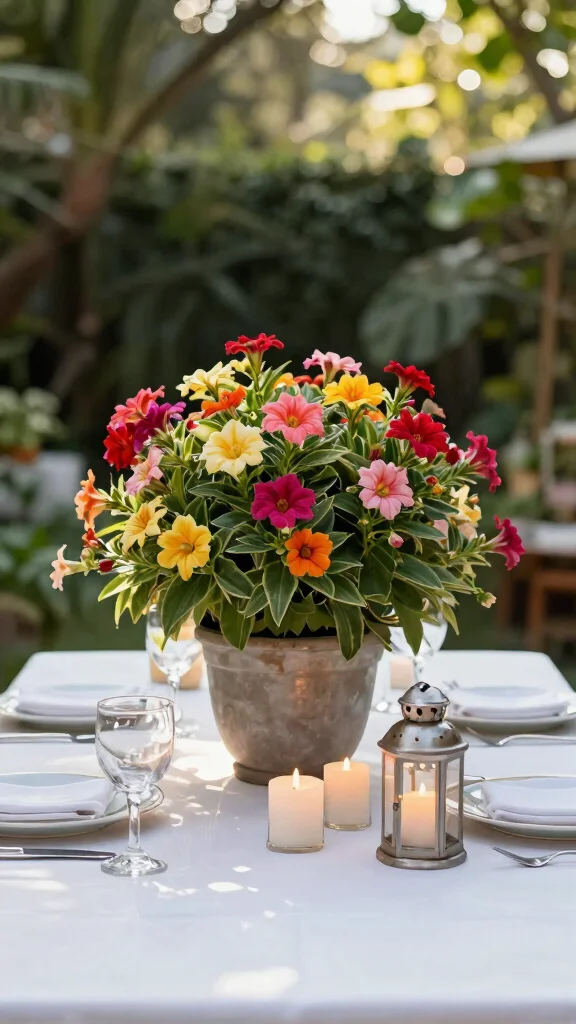
Transform your outdoor dining or coffee tables into stunning focal points with dipladenia plants as centerpieces. Select medium-sized planters that allow the flowers to cascade gracefully over the edges, creating a breathtaking visual effect. This approach not only beautifies your space but also invites guests to enjoy the lively atmosphere.
Ensure your planters fit well on the table without overcrowding the space. Centerpieces draw the eye and make your outdoor area feel warm and welcoming. For an added touch of coziness, consider pairing your dipladenia with small lanterns or candles to create a charming ambiance.
Steps for creating captivating table centerpieces:
– Choose medium-sized planters for balance
– Allow flowers to cascade for visual impact
– Pair with lanterns or candles for warmth
This method enhances your outdoor dining experience, making it a delightful setting for gatherings and celebrations.
Fun fact: dipladenia planter ideas for medium-sized centerpieces spill color over the edge for up to 12 inches, creating a vivid focal point. Keep the arrangement compact on the table; a 20–24 inch footprint makes guests easier to chat with. Practical tip: water deeply, rotate weekly.
Patio Table Centerpieces
Editor’s Choice

Arcadia Garden Products PSW TA25C Plastic/Stone/Wood Composite Bulb Pan …
10. Seasonal Flower Combinations
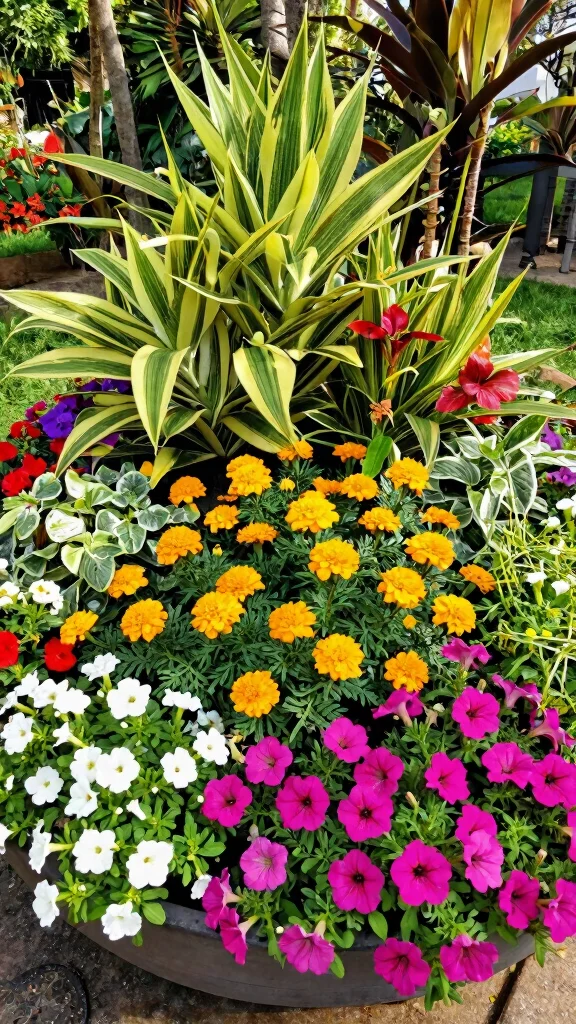
Create a lively and ever-changing display by combining dipladenia with other seasonal flowering plants! Mixing different varieties allows you to showcase a spectrum of colors and textures, ensuring your garden remains captivating throughout the year. Consider including annuals like marigolds or petunias that bloom at different times, keeping your garden vibrant and full of life.
Research the light and water needs of each plant to establish a balanced environment for growth. This diversity not only adds interest but also keeps your garden looking fresh and exciting all year long. Group plants with similar care requirements together in larger planters for a harmonious design that flourishes beautifully.
Tips for combining seasonal plants:
– Select plants with varied blooming cycles
– Research care requirements for each type
– Group similar needs together for harmony
This approach transforms your garden into a colorful and dynamic space, celebrating the beauty of each season.
Seasonal Flower Combinations
Editor’s Choice

XLUX Long Probe Deep Use Soil Moisture Meter, Water Monitor Indicator Se…
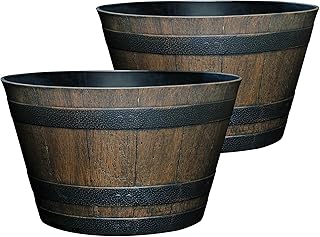
Classic Home and Garden Outdoor Whiskey Resin Flower Pot Barrel Planter,…
Conclusion
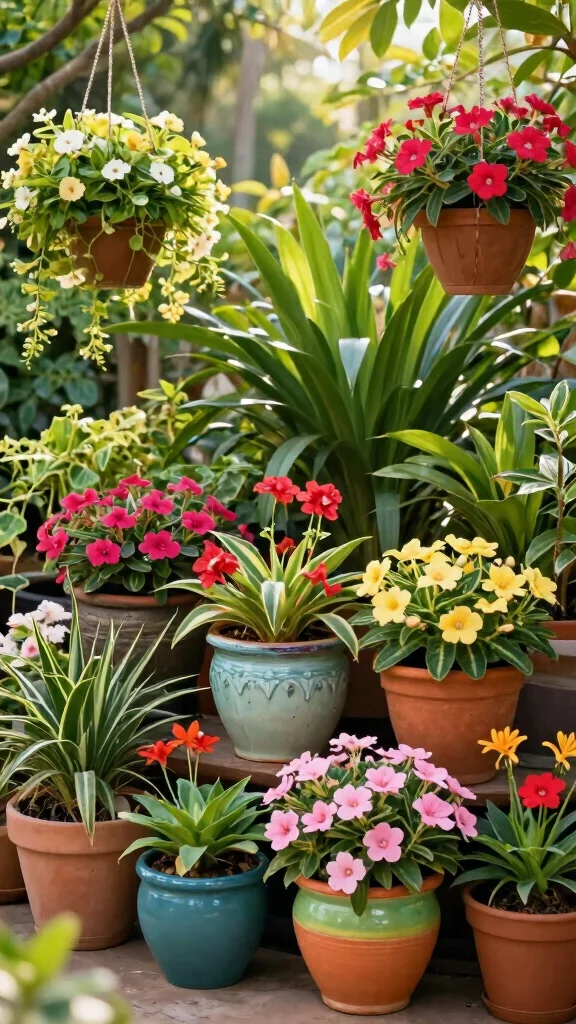
With these ten dipladenia planter ideas, your garden or patio is destined to become a colorful tropical paradise!
Whether you choose hanging baskets, charming DIY planters, or trendy coastal themes, dipladenias will add vibrant beauty to your outdoor spaces.
Experiment with these ideas, and don’t forget to share your floral creations with fellow garden enthusiasts!
Note: We aim to provide accurate product links, but some may occasionally expire or become unavailable. If this happens, please search directly on Amazon for the product or a suitable alternative.
This post contains Amazon affiliate links, meaning we may earn a small commission if you purchase through our links, at no extra cost to you.
Frequently Asked Questions
What are the most effective dipladenia planter ideas to explode with color all season long in tropical container gardening?
Here are practical dipladenia planter ideas that explode with color all season long in tropical container gardening.
Idea 1: Create bold color blocks by mass-planting multiple dipladenia colors in a single large container.
Idea 2: Layer heights with a tall tropical foreground or background, mid-height dipladenia, and trailing varieties along the edges for depth.
Idea 3: Use hanging baskets or railing pots to let dipladenia trail over the sides and spill color.
Idea 4: Pick a cohesive palette (warm tones, cool tones, or high-contrast) to make your display pop in colorful container gardening.
Idea 5: Pair dipladenia blooms with lush foliage plants or tropical grasses to add texture and frame the color.
Practical tips: choose well-draining potting mix, ensure drainage holes, place in bright, indirect sun, water consistently, fertilize during the growing season, and deadhead to extend flowering.
With these dipladenia planter ideas, your tropical container garden stays vibrant all season.
What are essential dipladenia care tips for container plants to keep blooms vibrant?
For container-grown dipladenia, focus on simple, repeatable routines that keep color strong.
Light: provide bright, indirect sun or morning sun with afternoon shade to prevent leaf scorch.
Water: keep the soil evenly moist but not soggy; use a well-draining mix and ensure drainage to avoid root rot.
Soil & Fertilizer: use a rich, well-draining potting mix and feed every 4–6 weeks during the growing season with a balanced fertilizer.
Pruning & Deadheading: prune after a bloom cycle to encourage new growth and remove spent blooms to promote continuous flowering.
Pests & Care: monitor for common tropical container pests and treat promptly; rotate containers yearly to reduce disease risk. This approach aligns with colorful container gardening goals and offers practical, low-maintenance garden ideas for busy gardeners.
What containers and companion plants work best with dipladenia in tropical container gardening?
Choosing the right containers and companions makes a big difference in a tropical dipladenia display.
Containers: opt for pots with ample drainage, at least one size larger than the plant’s root ball, and materials that suit your climate (terra cotta for porosity, ceramic for moisture retention). Elevate impact with a few deep, wide pots arranged in cluster formations for a lush look.
Companions: pair dipladenia with other tropicals that tolerate similar light and water needs, like cordyline, coleus, lantana, or ornamental grasses. Mix in foliage-rich plants to emphasize the blooms and create year-round interest.
Arrangement tips: place taller, focal tropicals in the center or back, mid-height dipladenia toward the middle, and trailing varieties along the edges for a layered, colorful display that stays visually engaging in tropical container gardening.
Can dipladenia tolerate heat and drought in pots, and how should I water them?
Dipladenia are generally sturdy in warm conditions, but in pots they still need steady care.
Heat & drought: they handle high temperatures well when watered deeply but don’t like dry soils. In hot, sunny locations, plan for more frequent watering and mulching to conserve moisture.
Watering strategy: water thoroughly when the top inch of soil dries, ensuring the pot drains well. Avoid waterlogged roots by using containers with drainage holes and a well-draining mix.
Signs to watch: wilting can indicate underwatering, while yellowing leaves or soggy soil signal overwatering. Adjust quickly to keep blooms coming in your tropical container garden.
When do dipladenia bloom and how can I extend color in seasonal container plantings?
Dipladenia typically bloom best from late spring through the warm months in tropical climates, with color fading in cooler spells.
Bloom extension: deadhead spent flowers to encourage continued blooming, and feed regularly during the growing season with a balanced fertilizer designed for flowering plants.
Seasonal care: in cooler zones or during winter, provide protection from frost or move containers to a sheltered spot or indoors if possible. With proper light, warmth, and consistent care, you can enjoy vibrant, seasonal flowering plants in a tropical container arrangement for as long as your climate allows.
Related Topics
dipladenia planter ideas
colorful container gardening
low-maintenance gardening
tropical plant arrangements
seasonal flowering plants
dipladenia care tips
easy gardening projects
vibrant garden designs
outdoor decor
beginner gardening
container gardening tips
summer blooms