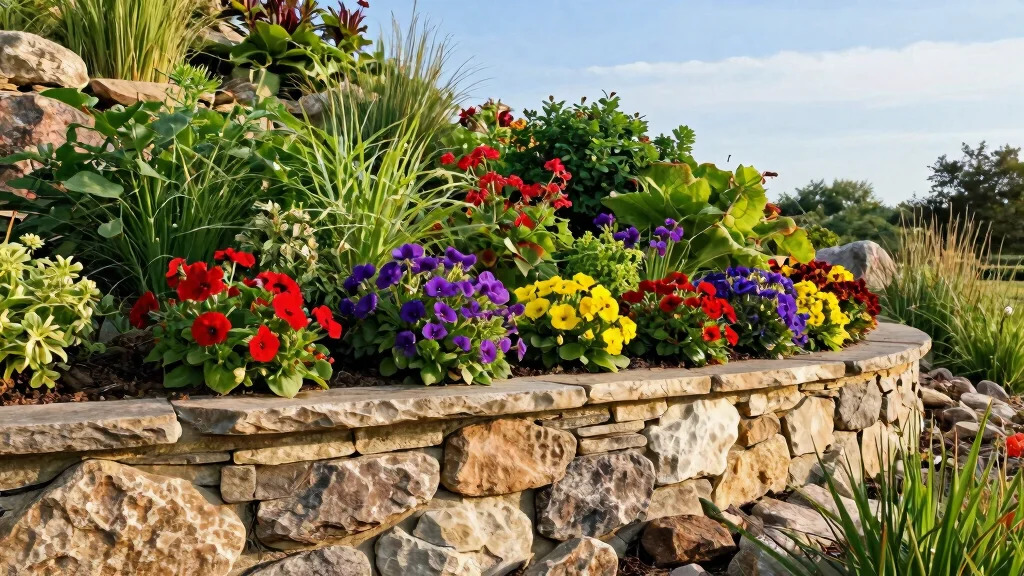
Are you looking to make the most out of that sloped garden area in your yard? You’re not alone! Many garden enthusiasts find themselves grappling with the challenge of turning uneven terrain into beautiful, functional spaces. That’s why I put together this post. With a little creativity, you can transform those slopes into stunning features that not only enhance your outdoor aesthetics but also provide you with a productive gardening space.
If you’re a gardening lover, a landscape designer, or even a homeowner eager to improve your outdoor areas, this blog is for you. You care about creating spaces that are not only pleasing to the eye but also useful. Whether you want to grow herbs, flowers, or edible plants, retaining wall planters can serve as the perfect solution. In this article, you’ll find seven creative retaining wall planter ideas that are practical, beautiful, and sure to inspire your next outdoor project.
Get ready to explore a variety of ideas that blend functionality with style. From tiered herb gardens to rustic stone planters, you’ll find options that suit every taste and skill level. By the end of this guide, you will have actionable tips and tricks to turn your sloped yard into a gardening paradise that captures attention and adds value to your home.
Key Takeaways
– Transformative Ideas: Explore various retaining wall planter ideas that can enhance the beauty and utility of your sloped garden.
– Tiered Designs: Learn about tiered herb gardens that maximize space and provide easy access to fresh herbs.
– Diverse Plant Options: Discover how to create a flower-filled vertical garden that bursts with color and attracts pollinators.
– Edible Options: Get inspired by creating edible wall gardens that make growing your own food both attractive and convenient.
– Material Choices: Understand the benefits of different materials like stone and concrete for building your planter walls, offering durability and style.
1. Tiered Herb Garden
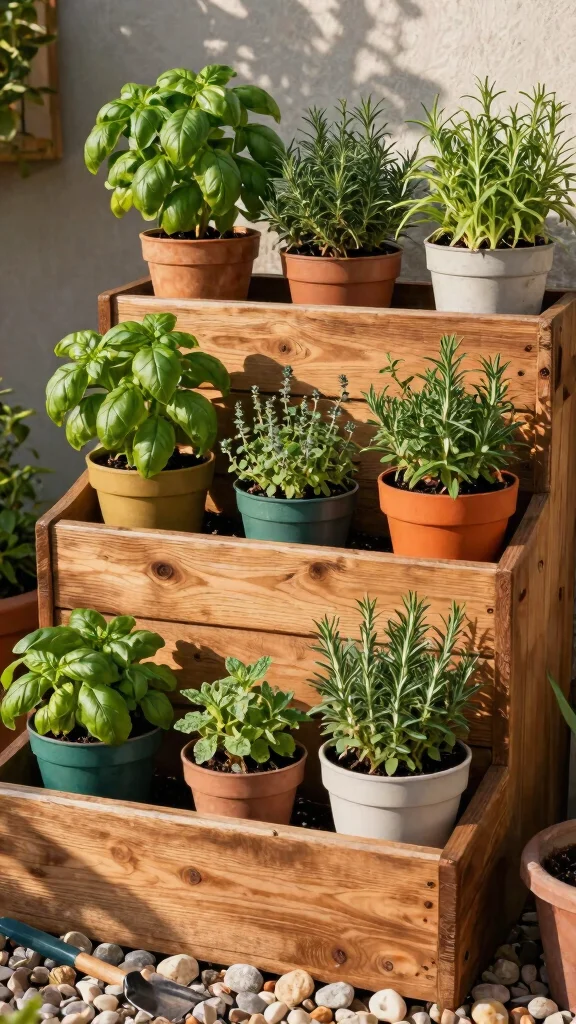
Imagine stepping into your garden and being enveloped by the delightful scents of fresh herbs. A tiered herb garden not only fills your space with vibrant greens but also offers a culinary paradise right at your fingertips. Using materials like weathered wood or sleek concrete, build several levels to accommodate a variety of herbs such as basil, mint, and oregano. Each tier captures sunlight beautifully, ensuring your plants flourish and thrive throughout the seasons.
Start by selecting herbs that share similar growing needs for optimal growth. Ensure proper drainage at each tier to avoid water buildup, which can harm your plants. You can even personalize your garden with decorative pots or charming plant labels to create a uniquely inviting space.
Key steps to create your herb garden:
– Pick herbs that grow well together.
– Ensure good drainage at every level.
– Add decorative elements for extra flair.
This design not only enhances your garden’s beauty but also provides you with fresh ingredients just steps away from your kitchen.
Fun fact: A tiered herb garden is one of the top retaining wall planter ideas, fitting 6–9 herb varieties on a small slope. It turns clutter into a culinary paradise and makes every level sun-kissed for basil, mint, and oregano at your fingertips.
Tiered Herb Garden
Editor’s Choice

Yaheetech 43.5″ L×16″ W×14″ H Wooden Raised Garden Bed, Horticul…


Burpee, 9 Quarts | Premium Organic Potting Natural Soil Mix Food Ideal f…

Kante 18 Inch Dia Round Concrete Planter, Indoor Outdoor Large Plant Pot…
2. Flower-Filled Vertical Garden

A flower-filled vertical garden can transform a dull slope into a vibrant display of color and life. This creative planter design allows you to cultivate a stunning array of blossoms that can brighten your outdoor space all year long. By mixing both annuals and perennials, you can enjoy a lively tapestry of flowers like zinnias, snapdragons, and hydrangeas, while climbing plants such as morning glories can weave in and out for added depth.
To achieve the best visual impact, alternate the heights and hues of your plants for a captivating look. Consider adding trellises or supports to help taller plants thrive. Select flowers that are well-suited to your local climate for easier care and maintenance.
Design ideas to enhance your garden:
– Mix various heights and colors for interest.
– Use trellises for climbing plants.
– Choose climate-appropriate flowers for easy upkeep.
This planter idea not only creates a stunning visual focal point but also invites pollinators, enriching your garden’s ecosystem.
📹 Related Video: Making of Flower Towers | Vertical Gardening ideas at home | EASY DIY method | Innovative garden
Flower-Filled Vertical Garden
Editor’s Choice

Wall Hanging Planters for Outdoor Plants 16 Inch Large Metal Fence Pots …
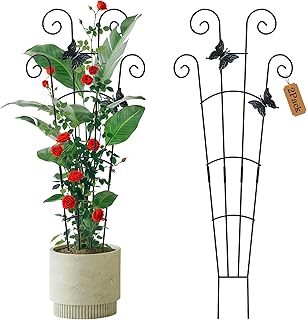
2 Pack 30 Inch Taller Plant Trellis for Potted Climbing Plants Indoor,Ex…
3. Succulent and Cacti Haven
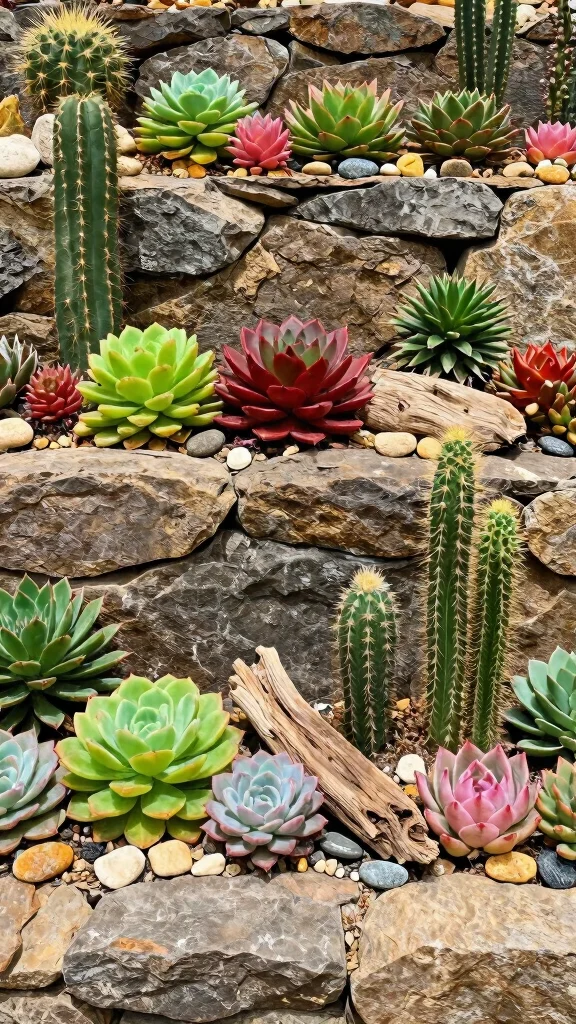
Consider creating a succulent and cacti haven on your sloped landscape for a low-maintenance yet visually striking garden. These drought-resistant plants thrive in sunny areas, making them ideal for retaining walls that bask in bright light. By arranging an assortment of succulents and cacti, you can craft an eye-catching display that requires minimal watering and care.
To maximize the beauty of your succulent garden, use gravel or sand for excellent drainage. Mixing different types of succulents enhances the texture and visual interest of your arrangement. You can also incorporate decorative rocks or driftwood to create a charming desert ambiance.
Essential elements for your haven:
– Use gravel as a base for drainage.
– Combine various succulents for texture.
– Add decorative accents to enhance the theme.
This planter design not only captivates the eye but also promotes eco-friendliness, as succulents and cacti require less water than traditional plants.
Fun fact: Succulents and cacti are waterwise champions—perfect for your retaining wall planter ideas. A small planter on a sunny slope can stay vibrant with once-a-week watering. Mix varieties for color, and use gravel for drainage to keep roots happy.
Succulent and Cacti Haven
Editor’s Choice
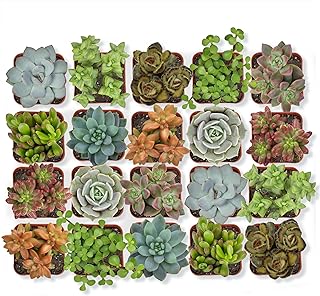
Altman Plants, Live Succulent Plants (20 Pack) Assorted Potted Succulent…

Back to the Roots 100% Organic Succulent & Cacti Mix (6 Quart) | Made in…

YISZM 2LB Succulent and Cactus Gravel Pebbles, 1/5 Inch Natural Decorati…
4. Edible Wall Garden

Why not combine beauty with practicality by creating an edible wall garden? This innovative planter allows you to grow a variety of vegetables and fruits vertically, making the most of your garden space. Imagine climbing plants like cucumbers and peas thriving alongside leafy greens such as kale and swiss chard, all while adding greenery to your landscape.
Utilize trellises or nets to support your plants as they grow skyward. Rotate your crops each year to keep your soil healthy and nutrient-rich. Planning your planting schedule by the seasons ensures an ongoing supply of fresh produce throughout the year.
Tips for your edible garden:
– Use supportive structures for climbing plants.
– Rotate crops to maintain soil health.
– Plan for seasonal planting to maximize yields.
With an edible wall garden, you’re not just enhancing your yard; you’re embracing a sustainable lifestyle, filled with fresh flavors right at home.
Edible Wall Garden
Editor’s Choice

Cucumber Trellis for Raised Bed, Garden Arch Trellis for Climbing Plants…

Back to the Roots Heirloom Organic, Non-GMO & USA Grown Seeds, 30ct Herb…

G TALECO GEAR Vertical Garden Planter, 5 Tiers Vertical Raised Garden Be…
5. Rustic Stone Planters
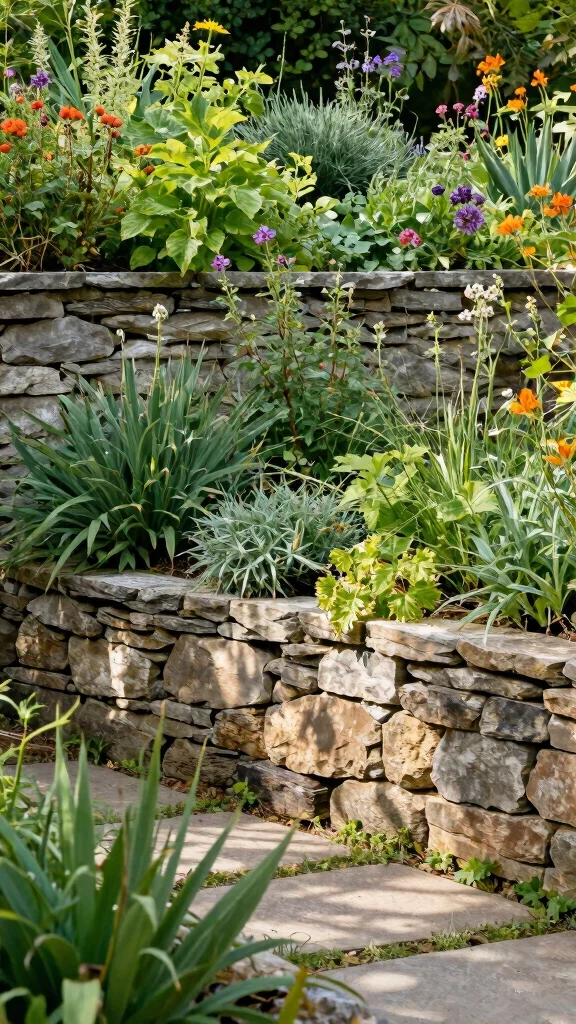
Embrace a charming rustic look by incorporating natural stone into your garden design. Stone retaining walls not only add a classic touch to your landscape but also provide a sturdy foundation for your plants. Pairing native flora, wildflowers, or ornamental grasses with rugged stone creates a beautiful contrast that highlights the natural beauty of your surroundings.
Select stones that complement your home’s style for a cohesive appearance. Vary the height of your planting areas to create visual interest and layers. You can also add pathways or stepping stones to facilitate easy access to your plants.
Pro tips for your stone planters:
– Match stone colors to your home for unity.
– Create varied heights for a dynamic look.
– Incorporate paths for convenient plant access.
Rustic stone planters elevate your outdoor space, transforming it into a delightful retreat that invites exploration.
Fact: Implementing rustic stone planters on slopes can cut erosion by up to 60% and boost moisture retention for native flora. With layered stone and varying heights, your retaining wall planter ideas become a sturdy, low-maintenance garden feature you can enjoy year after year.
How To Choose The Right Retaining Wall Planter
When it comes to creating a stunning garden on a slope, choosing the right retaining wall planter is key. There are several factors to consider to ensure your planter not only looks great but also functions well. Here’s how you can make the best choice for your needs.
1. Size Matters
Choose the right size for your retaining wall planter. Consider the area you have available and how much space your plants need to grow. Planters that are too small might lead to stunted growth for your plants. A good rule of thumb is to allow at least 12 inches of soil depth for root systems to thrive. If you’re planting larger flowers or vegetables, opt for wider and deeper planters.
2. Material Selection
The material of your retaining wall planter affects its durability and look. Common materials include wood, concrete, and stone. Wood gives a natural feel but may require more maintenance. Concrete is sturdy and can withstand harsh weather, while stone offers a rustic look. Think about your garden’s style and how the material complements your home. Remember that certain materials can retain heat better, which is great for warm-weather plants.
3. Drainage Features
Proper drainage is crucial for plant health. Without it, you risk over-watering, which can lead to root rot. Look for planters with built-in drainage holes or consider adding gravel at the bottom when constructing your own. You could also use a layer of landscaping fabric to separate soil from the drainage layer to prevent clogging.
4. Plant Compatibility
Choose plants that will thrive in your planter’s conditions. If your planter is in full sun, select sun-loving plants like succulents or herbs. For shaded areas, consider ferns or shade-loving flowers. It’s essential to group plants with similar water and light requirements to ensure they all thrive together. Researching and selecting compatible plants makes a significant difference in the overall success of your planter.
5. Aesthetic Appeal
Think about how your retaining wall planter will fit into the overall design of your garden. Consider colors, shapes, and styles that will harmonize with existing features. You could choose vertical planters for a modern look or rustic wooden ones for a more traditional feel. Mixing materials can create visual interest, so don’t hesitate to explore different combinations.
6. Budget Considerations
Establish a budget before you start shopping for your retaining wall planter. Prices can vary widely based on materials and size. Set a realistic budget that includes not just the planter but also soil, plants, and any additional features you may want. Remember that investing in quality materials can save you money in the long run due to durability.
Pro Tip: Before making your final decision, sketch a simple layout of how you want your retaining wall planter to look. This can help you visualize the size and style, allowing you to make adjustments before you start building or buying. Additionally, visiting local nurseries can provide inspiration and professional guidance to help you choose the best plants and materials for your retaining wall planter.
With these tips in mind, you can confidently choose a retaining wall planter that enhances your sloped garden, creating a beautiful and functional outdoor space. Happy gardening! 🌱
Rustic Stone Planters
Editor’s Choice

Espoma Organic Vegetable & Flower Garden Soil Natural and Organic in Gro…

FANTIAN 20 lbs Natural River Rocks Mexican Beach Pebbles, 2-3 Inch Decor…
Yaheetech 43.5″ L×16″ W×14″ H Wooden Raised Garden Bed, Horticul…
6. Modern Concrete Blocks

For a sleek, contemporary vibe, consider using modern concrete blocks in your retaining wall planters. The minimalist lines and stylish design make a bold statement, perfect for any garden setting. Fill these blocks with trendy plants like ornamental grasses or chic succulents, allowing the contrast of concrete and lush greenery to create a sophisticated atmosphere.
Experiment by stacking blocks in unique formations for an artistic touch. You can personalize your blocks with paint or stencils to reflect your style. Adding lighting elements within the planter enhances the ambiance during evening hours, making your garden a cozy retreat.
Design suggestions to elevate your space:
– Arrange blocks creatively for artistic effects.
– Personalize with paint or stencils.
– Incorporate lighting for evening charm.
Modern concrete block planters transform your sloped garden into a stylish oasis, providing a serene space to relax and enjoy nature.
Modern Concrete Blocks
Editor’s Choice
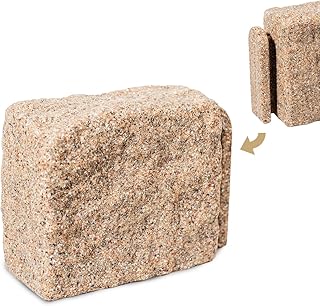
Beuta Faux Stone Starter Block – 7″ L x 4″ W x 6.5″ H – DIY Dig-Free…
Grasses: Versatile Partners for Uncommon Garden Design

Fake Succulents Plants Artificial in Premium Ceramic Pots (3 Pack Assort…
7. Mixed Material Retaining Wall
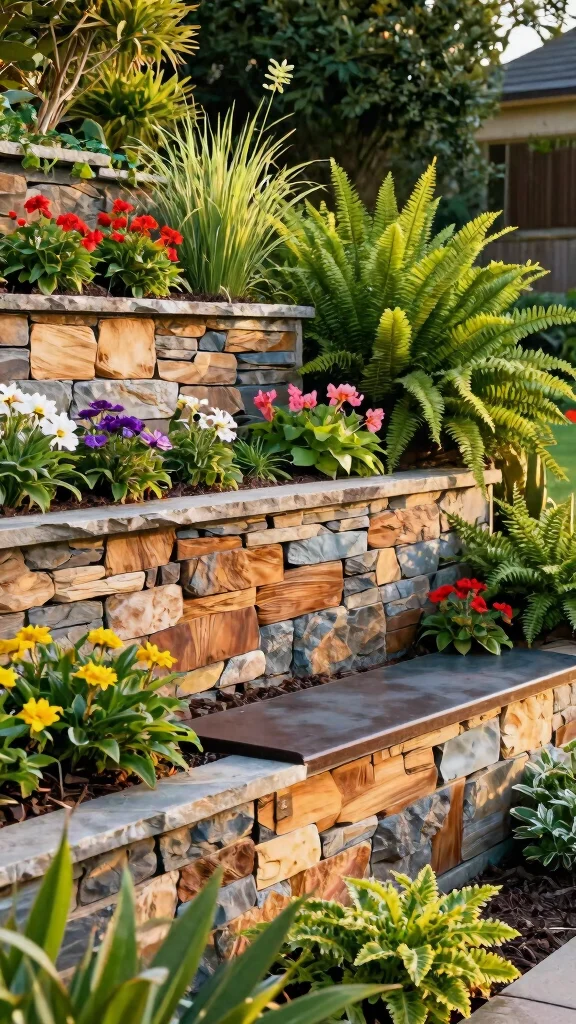
Combining various materials can create an exciting and textured look for your sloped garden. A mixed material retaining wall blends stone, wood, and metal to craft unique planter spaces that stand out. This creative approach allows you to pair vibrant flowers with lush ferns or hardy shrubs, producing a stunning visual display while ensuring the wall’s stability.
Consider using reclaimed materials for an eco-friendly twist. Incorporating seating or benches within the wall design adds functionality to your space. Mixing in decorative stones or mulch can further enhance the overall aesthetic, creating a welcoming atmosphere.
Creative ideas for your mixed wall:
– Use reclaimed materials for sustainability.
– Incorporate seating for added functionality.
– Mix decorative elements to enhance design.
A mixed material retaining wall not only showcases intricate designs but also celebrates sustainable gardening practices, making your garden both beautiful and responsible.
Mixed Material Retaining Wall
Editor’s Choice
Yaheetech 43.5″ L×16″ W×14″ H Wooden Raised Garden Bed, Horticul…
RTS Home Accents Rock Lock Interlocking Landscape Edging and Border Syst…
Conclusion
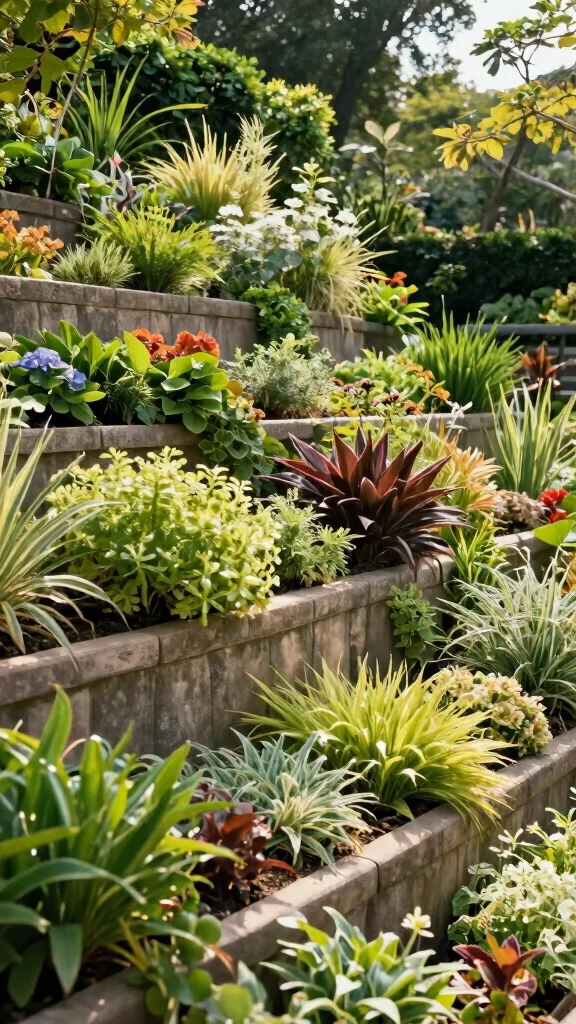
Embracing the beauty of sloped landscapes through retaining wall planters opens up a world of gardening possibilities. From vibrant herb gardens to modern concrete designs, each idea offers a unique way to enhance your outdoor space while nurturing the environment.
As you plan your garden, consider the aesthetic and functional benefits of these retaining wall planter ideas, and watch your garden transform into a stunning feature of your home.
Note: We aim to provide accurate product links, but some may occasionally expire or become unavailable. If this happens, please search directly on Amazon for the product or a suitable alternative.
This post contains Amazon affiliate links, meaning we may earn a small commission if you purchase through our links, at no extra cost to you.
Frequently Asked Questions
Question: What are the best retaining wall planter ideas to transform a slope into a stunning garden feature?
When you think about retaining wall planter ideas, start with the slope: map out the wall sections, drainage paths, and how sunlight hits each level. For slopes, consider modular blocks with built-in pockets, offset steps that create a visual staircase, or a continuous planter wall that follows the grade. This is a classic example of slope gardening and a perfect fit for vertical gardening on uneven terrain. Practical steps:
• Choose sections that get appropriate sun or shade.
• Add a drainage layer (gravel) and landscape fabric behind planters to prevent soil loss.
• Pick plant varieties that match light and moisture needs.
• Install a drip irrigation line or soaker hose to keep soil evenly moist.
• Top with mulch or decorative stone to reduce erosion and maintain moisture. The result is a living feature that blends with outdoor landscaping and creates a striking focal point.
Question: How do I choose plants for a planter wall on a slope?
For a vertical gardening setup on a slope, start with light and water requirements, sun exposure, and root depth. Pick a mix of trailing, compact, and moisture-loving plants that can root in shallow pockets. If the wall gets sun, try drought-tolerant varieties like creeping thyme, sedums, and verbena; if shaded, go for ferns, hostas, and caladiums. Use a breathable container mix and ensure good drainage. Group plants by similar needs and place taller specimens toward the back to create depth. Rotate seasonal blooms to keep the wall vibrant. These garden design tips help you maximize impact in slope gardening and with planter wall ideas.
Question: What materials are best for durable planter walls in slope gardening?
Durability comes from choosing materials that handle weight, moisture, and freeze-thaw cycles. Great options include modular concrete blocks or precast planters, rot-resistant timber like cedar or tropical hardwood with proper sealing, and even galvanized steel or durable fiberglass planters. Layer a drainage bed with gravel, place a weed barrier (outdoor landscaping fabric), and backfill with a light soil mix. Build the wall with proper anchoring, check local codes, and consider a cap to protect edges. For long-lasting results that fit retaining wall planter ideas, prioritize drainage and ventilation and pair with a waterproof barrier if the wall is against soil.
Question: How can I maintain a planter wall on a slope to prevent erosion and overwatering?
To keep things healthy, use a drip irrigation system or soaker hose, line with mulch, and ensure excellent drainage with a stone or gravel base. Use soil mixes designed for containers and planters with good drainage. Regularly check and clean drainage openings, prune overgrown plants, and replace annuals as needed. Pair this with periodic top-ups of new mulch to conserve moisture and suppress weeds. This approach fits slope gardening and planter wall ideas in action.
Question: What garden design tips help maximize the impact of planter wall ideas on slopes?
Start with a simple color palette and vary wall heights to create visual interest. Use repeating plant groups to establish rhythm, and place a focal plant or sculpture at the end of the wall to anchor the space. Integrate the planter wall with nearby paths, seating, or a patio to create a cohesive outdoor landscaping look. Consider sun exposure, wind direction, and drainage when planning bed lines. With these garden design tips, you’ll make the most of planter wall ideas on challenging slopes and turn them into a polished feature.
Related Topics
retaining wall planters
slope gardening
vertical gardening
garden design tips
outdoor landscaping
planter wall ideas
DIY gardening
easy gardening projects
creative landscaping
beginner friendly
seasonal gardening
stunning garden features